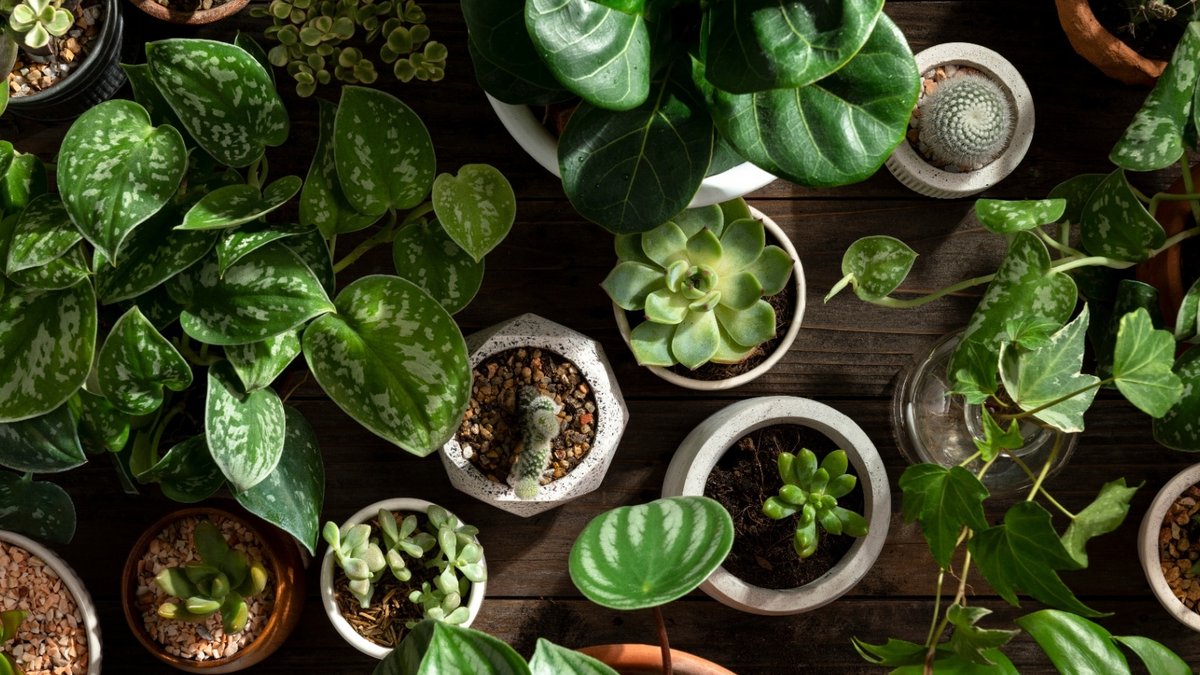
Not every room in your home gets enough natural light for houseplants, but that doesn’t mean you have to give up on greenery entirely. A surprising number of plants tolerate — and some even prefer — the dim conditions found in north-facing rooms, shady corners, and spaces far from windows. From the architectural snake plant to the nearly indestructible ZZ plant, here are eight houseplants that can handle low light without losing their appeal.
The toughest low-light performers
The ZZ plant (Zamioculcas zamiifolia) is about as resilient as houseplants get. Its thick stems and underground rhizomes store water effectively, which means it can survive both low light and stretches of neglect. While it prefers bright, indirect sunlight, it will remain healthy in darker rooms — growth just slows down. It grows to about 60–90 cm indoors and brings a contemporary look to bedrooms and living spaces with its glossy green foliage.
Watering is straightforward: wait until the compost has dried out completely, and make sure the pot drains well. Pooled water around the roots is the quickest way to harm this plant, especially in winter when growth slows.
Related: Top tree pruners put to the test
Snake plants are another dependable option for low-light rooms. Their upright, sword-like leaves take up minimal floor space, which makes them ideal for filling lonely corners with texture and interest. Variegated varieties keep their markings better when they get some indirect light, and they’re an excellent choice for beginners. These plants can grow over a metre tall and need very little attention — just water sparingly and let the compost dry out fully between waterings.
Foliage plants that thrive in dim corners
The cast iron plant lives up to its name. Aspidistra elatior tolerates considerably lower light than most popular houseplants and handles temperature fluctuations that aren’t too extreme. Its long, elegant leaves emerge directly from the base, making it look at home in minimalist interiors. It dislikes intense sunshine, which can scorch the foliage, and it grows slowly enough that repotting is rarely needed. Water it when the surface of the compost feels dry, and let the roots dry slightly between waterings.
Peace lilies bring a different kind of charm to shady areas with their white spathes and glossy green leaves. They bloom more abundantly in brighter, indirect light, but they tolerate lower levels well. Their watering needs are higher than the ZZ plant or snake plant — keep the compost evenly moist without letting it become saturated. The flowers droop when the plant needs water, which makes it easy to read, and they recover quickly after watering.
Related: Garden plants that turn your yard into a bird haven
The slower growth that comes with low light means less frequent repotting and pruning, and the forgiving nature of these species gives you room to learn without killing anything. That’s a reasonable trade for a darker room.
Trailing and textured options for darker spaces
Philodendron hederaceum, with its heart-shaped leaves and cascading stems, tolerates low light well, though growth slows in very dim conditions. It’s a versatile trailing plant that works on bookshelves or in hanging baskets. The top layer of compost should dry between waterings, and it’s more likely to survive an occasional missed watering than overwatering. Regular trimming keeps it looking bushier.
Aglaonema, commonly called Chinese evergreen, adds texture with deep green foliage marked by silver and cream patterns that vary by variety. Darker green types tolerate low light best, while highly variegated versions need more indirect sun to keep their coloring. They prefer free-draining compost and some humidity, and their compact, bushy habit suits tables, shelves, or sideboards. Keep them away from radiators.
Related: Tree Stump Removal: The Complete Guide
Palms and ferns for softer texture
The parlor palm (Chamaedorea elegans) brings a tropical feel with its soft, arching fronds. It prefers bright, indirect sunlight but copes in lower light, with slower growth as the tradeoff. Strong sun can scorch the leaves, so keep it out of direct rays. The soil should stay fairly moist during the growing season, with less water in winter. It does well in naturally humid rooms and can reach 1.2 metres.
Boston ferns offer long fronds that make a statement in hanging baskets or on side tables. They like bright indirect light but tolerate shadier spots as long as they’re not in complete darkness. Dry indoor air is their enemy, so a bathroom with natural light is often the best placement. Keep the soil consistently moist but never waterlogged, and watch for fronds that crisp or turn brown — that’s a sign the plant needs more humidity or water. Remove brown fronds at the base to keep it looking healthy.



Leave a Reply