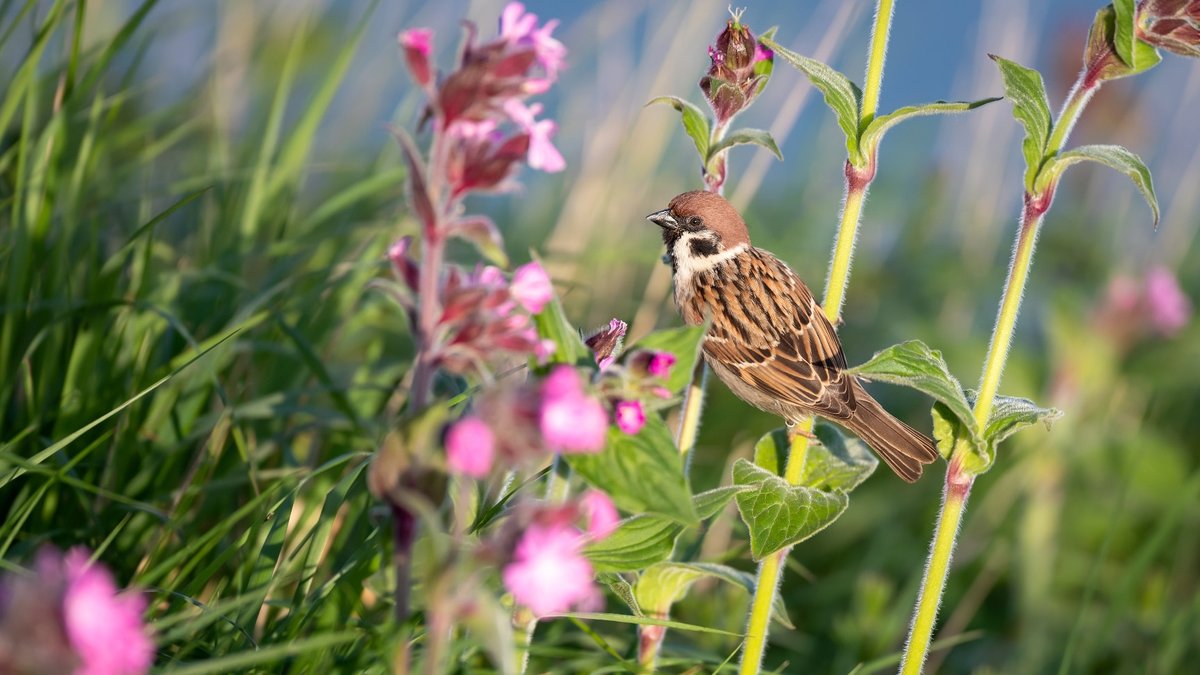
Turning a garden into a reliable stop for birds takes more than a single feeder. The most successful spaces combine water sources, shelter, and plants that offer food across the seasons. Gardeners often notice that the busiest bird activity happens in the early morning, when the garden is quiet and the birds are just starting their day. That kind of scene is built on a few core features that work together.
A shallow dish or pond gives birds a place to drink and bathe, which they need every day. This matters more as weather patterns shift and drier summers become more common. Keep the water topped up in heat and check that it doesn’t freeze in winter. A simple stone basin is enough, and it doesn’t need to be elaborate to do the job.
Related: Dazzling dahlias: The best varieties for cut flower gardens
Why seed heads and long grass beat a tidy garden
An autumn cleanup that strips the garden bare removes food and shelter that birds depend on. Perennials like sunflowers, teasels, and rudbeckia are best left standing, because their seed heads become a natural food source through the colder months. Dry stems also house insects, which birds need for protein, so there’s a good argument for leaving parts of the garden alone.
A perfectly manicured lawn can be unwelcoming to birds. Letting sections of grass grow longer attracts insects and produces seed heads that draw finches, robins, and blackbirds. Adding low-growing clover and wildflowers to those areas enriches the soil and gives birds more to forage on. Avoiding pesticides makes a difference too.
Log piles serve a similar purpose. Stack old logs in a shady corner and they become an insect nursery, which in turn becomes a feeding ground for birds. Caterpillars, beetles, and spiders all show up in these spots, and birds will work through them quickly. It’s a low-effort way to support the food chain in your own yard.
Related: A Homeowner’s Roadmap to Foundation Repair and Long Lasting Structural Stability
Choosing plants that feed birds through winter
Berrying shrubs do some of the heaviest lifting when it comes to feeding birds.
Sunflowers are among the easiest annuals for bird-friendly planting. Their large seed heads attract goldfinches, greenfinches, siskins, and house sparrows. Leaving the spent flower heads standing through autumn lets birds feed naturally, and goldfinches will cling to the heads while pulling out individual seeds. Teasels work similarly, with architectural seed heads that feed linnets when insects become scarce.
Related: Reviving Your Roof: The Importance and Benefits of Roof Restoration
The combination of water, shelter, and seasonal planting is what keeps birds coming back. A garden that supports insects and offers natural food sources tends to hold more bird activity than one relying on feeders alone. That said, a sturdy feeder with the right food still helps. Ground feeding trays suit blackbirds and thrushes, while hanging feeders attract tits, finches, and sparrows. Sunflower hearts, niger seeds, peanuts, and high-energy fat balls all work, depending on the birds you want to support.
Nesting boxes and seed blends can round out the setup, but the plants and water are the foundation. When those basics are in place, the garden becomes a destination rather than just a place birds pass through.




Leave a Reply