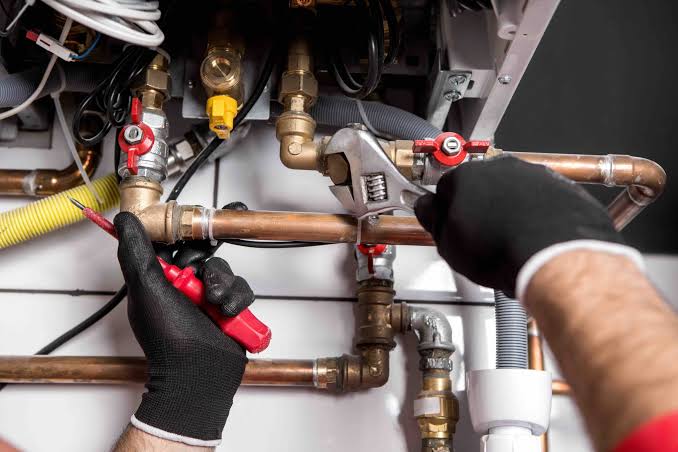
When water starts moving slower than usual through your drains or a sink never seems to get quite warm enough, the rhythm of your home life experiences a subtle but frustrating shift. These moments, while often minor at first, are the ways a home signals that its internal systems require attention. For residents of the area, staying ahead of these plumbing concerns is a key part of maintaining a comfortable living environment and avoiding the stress of a sudden utility failure.
Why Plumbing Systems Require Consistent Proactive Maintenance
Most homeowners do not think about their home’s plumbing until a disruption occurs. This reactive approach is common, but it often ignores how these systems function as an integrated, long-term asset. Pipes, valves, and heating components are subject to cumulative stress from daily use, variations in water chemistry, and the natural settling of a home over time.
When debris, mineral buildup, or sediment accumulates, it does not happen overnight. It typically happens over a period that allows for intervention. By addressing these issues early, homeowners can often avoid the most severe consequences of neglected plumbing, such as persistent blockages or the complete failure of a heating unit. Understanding that plumbing is a mechanical system that requires periodic oversight rather than a set-it-and-forget-it installation is the first step toward effective home care.
How Modern Approaches to Plumbing Service Work
The way professionals approach home plumbing has evolved significantly. While traditional tools like drain snakes still serve a purpose for specific blockages, modern service providers typically employ a diagnostic-first philosophy. This means that instead of attempting to clear a pipe immediately, a technician will often start by understanding the “why” behind the issue.
This frequently involves using diagnostic equipment that allows the provider to see inside the lines. By examining the condition of the pipe interiors, a professional can distinguish between a simple obstruction and more complex underlying structural concerns, such as root infiltration or collapsed sections. Similarly, when assessing issues with water heating, a technician will look at factors like pressure, mineral sediment levels, and thermostat functionality before suggesting a path forward. This methodical, evidence-based approach ensures that the work performed is targeted at the actual source of the problem, rather than merely treating the symptoms.
Key Factors That Shape Plumbing Performance
Several variables influence how well a plumbing system performs for residents of the area. One of the most significant factors is the nature of the local water supply. Depending on the source, water can carry varying levels of dissolved minerals. Over time, these minerals can create a film or hard buildup within pipes and inside heating tanks. This layer can act as an insulator, forcing a water heater to work harder to achieve the desired temperature, or it can narrow the interior diameter of a pipe, leading to sluggish flow.
Another factor is the age and material of the plumbing infrastructure. Older homes may have pipes that were installed according to different standards than those used today, and these materials can react differently to changes in water pressure or temperature. Additionally, the habits of the household play a role. The volume of usage, the type of waste introduced into the system, and even the temperature at which a water heater is set can all affect how quickly components experience wear. When a homeowner understands these variables, they are better equipped to monitor their system and know when it is time to request professional input.
Practical Ways to Approach Plumbing Health
Taking a sensible approach to plumbing maintenance does not require extensive technical knowledge. It primarily involves observation and knowing when to ask for help. A few considerations can make a meaningful difference in the longevity of your system:
Monitoring for Early Warning Signs
Pay attention to the small changes. A sink that drains a few seconds slower than usual, a gurgling sound in the pipes, or a minor fluctuation in water temperature can be early indicators of a developing issue. If you notice these patterns, observe whether they are consistent or if they only occur during specific times, such as when multiple appliances are running.
Evaluating Professional Support
When it comes to choosing someone to assist with drain cleaning services near me, or when exploring the possibility of hot water heater replacement in Eugene, Oregon, look for providers who prioritize transparency. A reliable provider should be willing to explain the diagnostic process, show you what they see, and provide clear reasoning for any recommended services. They should be able to discuss the trade-offs between different solutions—such as whether a repair will likely suffice for the long term or if a replacement is the more sound investment given the age and condition of the equipment.
Planning for the Future
The most effective way to manage your home’s infrastructure is to establish a relationship with a service provider before an emergency arises. Ask them about their recommendations for periodic inspections. These check-ups can often catch signs of wear that are not yet visible to the untrained eye. For instance, a quick inspection of a water heater’s anode rod—a component designed to attract corrosive elements away from the tank walls—can significantly extend the life of the entire unit.
By focusing on these proactive steps, residents of the area can foster a more reliable home environment. Plumbing issues are a natural part of homeownership, but they do not need to become overwhelming crises. Approaching them with curiosity, keeping an eye on the subtle signals your system provides, and coordinating with experienced professionals will help ensure that your home’s water systems remain functional and efficient for years to come. When you feel that something is not performing as it should, reaching out for a professional opinion is a prudent way to protect your property and your peace of mind.





Leave a Reply