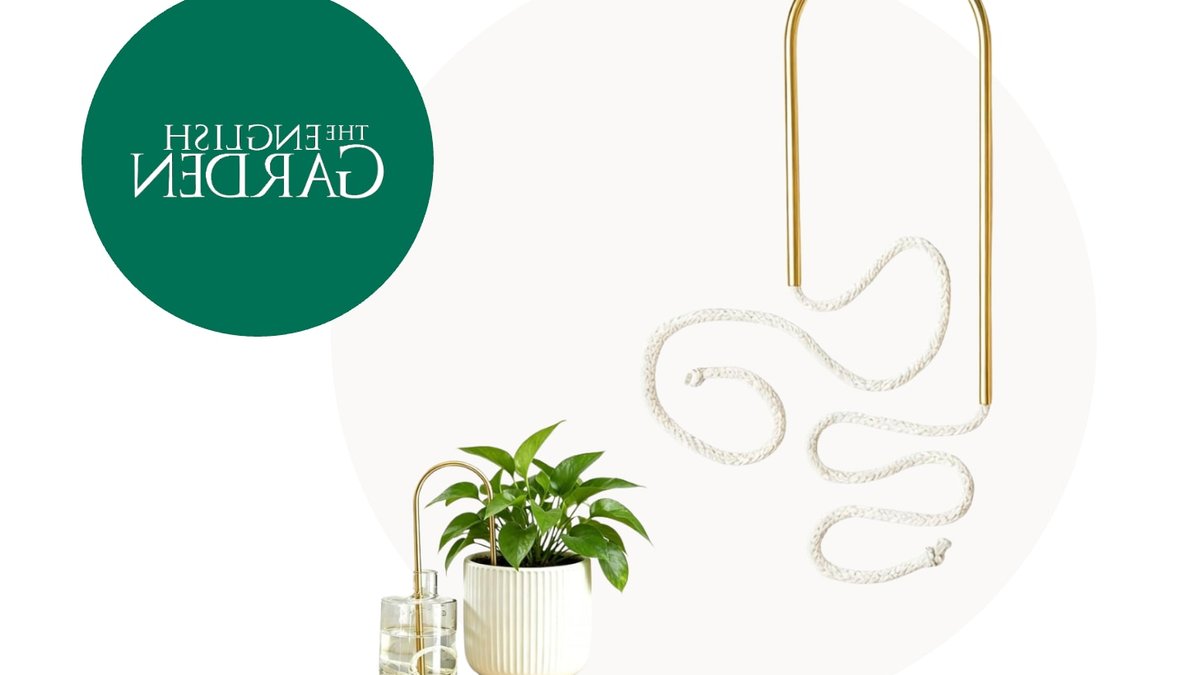
Summer heatwaves make houseplant care difficult. Even hardy varieties struggle when temperatures rise, keeping on top of watering can be an uphill battle. A growing selection of self-watering tools now offers relief without sacrificing appearance.
How summer affects indoor plants
Houseplants grow in small pots with restricted soil. They cannot extend roots deeper to find water like outdoor plants. This dependence on regular watering becomes harder to maintain as evaporation increases in hot weather.
Each species requires different care. A Peace Lily may droop by midday if not watered enough, while a succulent can rot from excess moisture. The issue involves more than frequency—it requires accuracy. Too much water at once suffocates roots; too little leaves them dry.
Self-watering straws provide steady moisture
One straightforward solution is the self-watering plant straw. These narrow tools, designed with an elegant Scandinavian design, use capillary action to pull water from a reservoir to the roots. The wick releases moisture at a controlled rate, adjusting as the soil dries.
Unlike conventional watering, which saturates the surface and evaporates quickly, straws deliver water where roots need it. This method creates a more stable environment, lowering the risk of drought or overwatering.
For those who have lost plants despite daily watering, the change can seem remarkable. The straws do more than hydrate—they provide a buffer, extending the time between refills. This feature proves helpful during vacations or hectic weeks when regular care becomes difficult.
Traditional methods meet contemporary design
Plant straws are not the only option. Terracotta self-watering spikes function similarly, using the material’s natural porosity to release water slowly. These resemble miniature versions of the olla, an ancient, 4,000-year-old irrigation system.
Related: Dépannage de volet roulant à Limoges : intervention rapide et solutions sur mesure
The main benefit of these systems is reliability. Plants grow best with routine, and irregular watering causes stress. A gradual supply mimics natural conditions, where roots absorb moisture as needed rather than in sudden bursts.
Some solutions have limitations. Straws may clog with mineral buildup over time, and spikes can fail in extremely dry conditions where evaporation exceeds absorption. For most indoor gardeners, however, they offer a practical improvement over guesswork.
These tools alter how people interact with their plants. A Peace Lily that once needed frequent attention can now go longer without watering. This flexibility benefits renters and frequent travelers. It also reduces the guilt of forgetting to water, a common frustration for beginners.
The design of many self-watering systems blends with home decor. Unlike plastic saucers or improvised wicks, these tools look intentional. The best versions remain unobtrusive while functioning effectively.
No tool replaces understanding basic plant needs. Relying too much on automation can hide issues like root rot or poor drainage. For those who have lost plants to inconsistent care, these systems provide a useful alternative—one that works well and looks good.
As heatwaves occur more often, the need for low-maintenance solutions will grow. For now, a simple straw or spike may determine whether indoor plants thrive or wither.


Leave a Reply