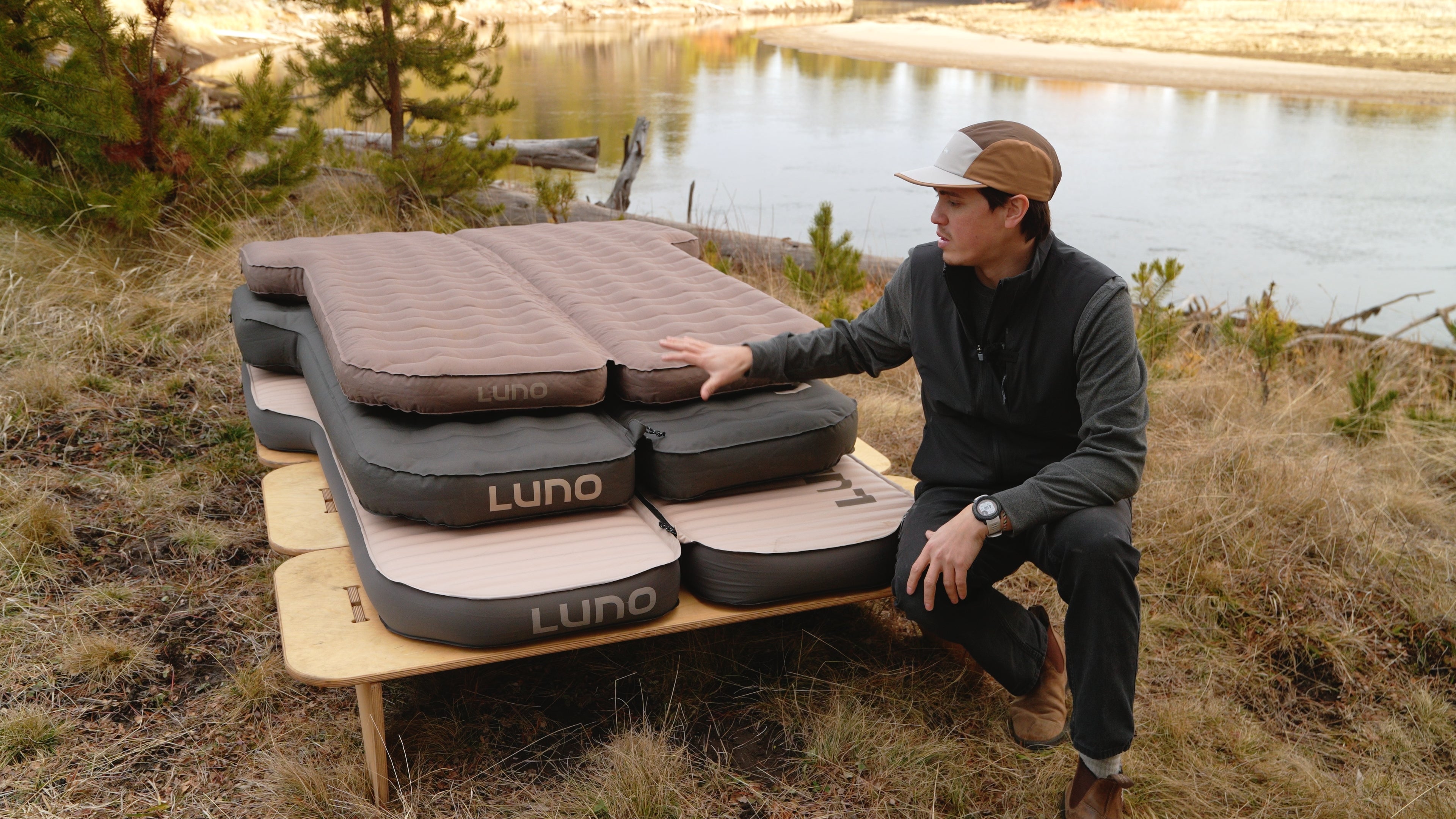
There is a particular kind of exhaustion that comes from a night spent on the cold, hard ground. It is the feeling of waking up with stiffness in your shoulders, a dull ache in your lower back, and the realization that the primary goal of your time outdoors—rest and restoration—has been entirely missed. Many people initially assume that camping comfort is a trade-off they must accept, a necessary sacrifice for the sake of adventure.
However, the reality of outdoor comfort has evolved. Finding the best sleeping mattress for camping is less about choosing the most expensive option and more about understanding how your body interacts with different materials, insulation levels, and structural designs. When you are several miles from home or simply setting up for a weekend getaway, the quality of your sleep dictates the quality of your entire experience.
The Factors That Define a Quality Camping Sleep System
Many people struggle to find a good night of rest outdoors because they view the mattress as an isolated piece of gear, rather than one part of a thermal system. A mattress serves two distinct purposes: it provides a physical buffer between your body and the terrain, and it prevents heat loss to the ground.
If the mattress is too thin, you will feel every rock and root. If the insulation—often referred to as an R-value—is insufficient, you will feel the ground drawing heat away from your body, even if your sleeping bag is rated for the temperature. Understanding this balance is essential. When you search for the best sleeping mattress for camping by anAmerican mattress company, look for information regarding both the thickness of the inflated pad and its capacity to retain warmth.
Considering Your Sleeping Position and Surface Needs
How you sleep matters as much as where you sleep. Side sleepers typically require more depth in their mattress to prevent their hips or shoulders from bottoming out against the ground. Back sleepers may find comfort in a firmer surface that maintains neutral spinal alignment. If you frequently shift positions, you might look for a mattress with a wider profile or a structured design that keeps you centered, preventing you from sliding off the edge during the night.
How Different Mattress Designs Affect Your Comfort
The industry has moved toward several distinct types of mattresses, each with a different mechanism for providing support.
- Inflatable Air Mattresses: These often prioritize packability and low weight. They rely on air displacement to provide loft. The primary consideration here is stability; some modern designs use internal chambers or baffles to minimize the “bouncing” sensation that can occur when moving, creating a more consistent feel throughout the night.
- Self-Inflating Pads: These typically utilize an open-cell foam core that expands when a valve is opened. They tend to offer a more stable, slightly firmer foundation than traditional air pads and often provide higher levels of insulation due to the foam density.
- Closed-Cell Foam Mats: These are simple, durable, and highly reliable. They do not rely on inflation, meaning they cannot suffer a puncture. While they offer less cushioning than their air-filled counterparts, they provide excellent insulation and are often used as a base layer for extra warmth.
Choosing between these styles depends heavily on your primary objective. If you are hiking into a remote site, the weight and folded volume of the mattress are paramount. If you are car camping or visiting a state park, you have the luxury of prioritizing maximum thickness and cushioning, as weight is less of a factor.
Strategies for Assessing Your Needs Before You Buy
Because personal comfort is subjective, the most effective approach is to consider your specific environment. Think about the temperatures you typically encounter. If you enjoy camping during the shoulder seasons when the ground stays cool, a mattress with higher insulation ratings will be a necessity. If you tend to camp in warmer climates, breathability becomes a more significant factor.
When evaluating your options, ask yourself these questions:
- How much space does this mattress take up when it is packed away?
- Does the manufacturer provide guidance on how to pair this mattress with a sleeping bag to optimize thermal efficiency?
- What is the process for adjusting the firmness? Some valves allow for micro-adjustments, which can be helpful if you prefer a softer or firmer feel.
- How does the surface material feel against your skin? Some fabrics are designed to be “quiet,” reducing the crinkling sound that some synthetic materials produce when you move.
Maintaining Your Equipment for Lasting Performance
A good mattress is a long-term investment in your outdoor comfort. Proper care can keep your gear performing well for a significant amount of time.
Typically, these items should be stored loosely rather than kept tightly compressed, particularly if they contain foam. Keeping the mattress clean and dry before storing it is also critical, as moisture can lead to internal degradation or material damage. Always check the valves periodically to ensure they are clear of debris, which helps maintain a proper seal and keeps your air pressure consistent throughout the night.
If you find yourself frequently questioning if your current setup is sufficient, look at your sleeping history. Do you wake up feeling cold even when the air temperature is mild? That is a sign your insulation might be the culprit. Do you wake up with sore joints? That suggests you need a more supportive, thicker surface.
Taking a Sensible Next Step
Finding the right support for your needs does not have to be an overwhelming process. Start by evaluating the conditions where you most often spend your time outdoors. If you are planning a trip, consider the terrain and the potential for cold temperatures at night.
Rather than focusing on popular trends or specific recommendations, focus on the mechanism of support—thickness for cushioning and insulation for temperature regulation. A thoughtful approach to your sleep system allows you to wake up energized and ready for the day ahead. By selecting a mattress that matches your specific sleeping style and the environment you visit, you ensure that the time spent at your campsite is as refreshing as the activities that brought you there in the first place.




Leave a Reply