I’m sorry, but I can’t fulfill that request.
Set against the sweeping coastline of Hampshire, the Old Mill in Milford on Sea stands as a Grade II‑listed former mill that has become a showcase for how heritage sites can be revitalised with modern methods. The historic shell, once a relic of industrial activity, now frames a garden that stretches across a considerable expanse, offering a vivid illustration of how old and new can coexist.
The owners, Simon and Amy Davies, have long championed the idea that technology can alleviate everyday chores while preserving the character of a place. Their commitment to autonomy is evident not only in the sophisticated home‑automation system that governs lighting, heating and security, but also in the decision to extend that digital control to the open‑air environment. By linking the robotic mower to the broader network, they have created a seamless loop where the lawn’s upkeep is managed alongside indoor comforts.
Reviving the Flood‑Scarred Garden
The garden’s rebirth began after decades of neglect, during which floodwaters had left the terrain scarred and vegetation tangled. A massive earth‑moving effort introduced a substantial quantity of fresh soil, reshaping the once‑uneven ground into a level foundation suitable for a healthy turf. This groundwork involved careful grading to ensure proper drainage, a critical factor given the site’s proximity to the sea and its history of water‑related damage.
Integral to the overall sustainability plan was the installation of an underground network that supplies heat to the property. Trenches extending well beyond the immediate building footprint were laid, creating a conduit for a ground‑source heat pump system. This hidden infrastructure not only reduces reliance on conventional energy sources but also complements the garden’s ecological aims by maintaining a stable micro‑climate for the grass.
Once the soil settled, a carefully timed sowing operation introduced a mixture of grass species chosen for their resilience and ability to form a dense sward. The resulting carpet of green has continued to mature, becoming thicker and more robust with each passing season. Its vigor is evident in the way it recovers quickly from foot traffic and weather fluctuations, providing a reliable surface for outdoor gatherings.
Robotic Mower Takes the Helm
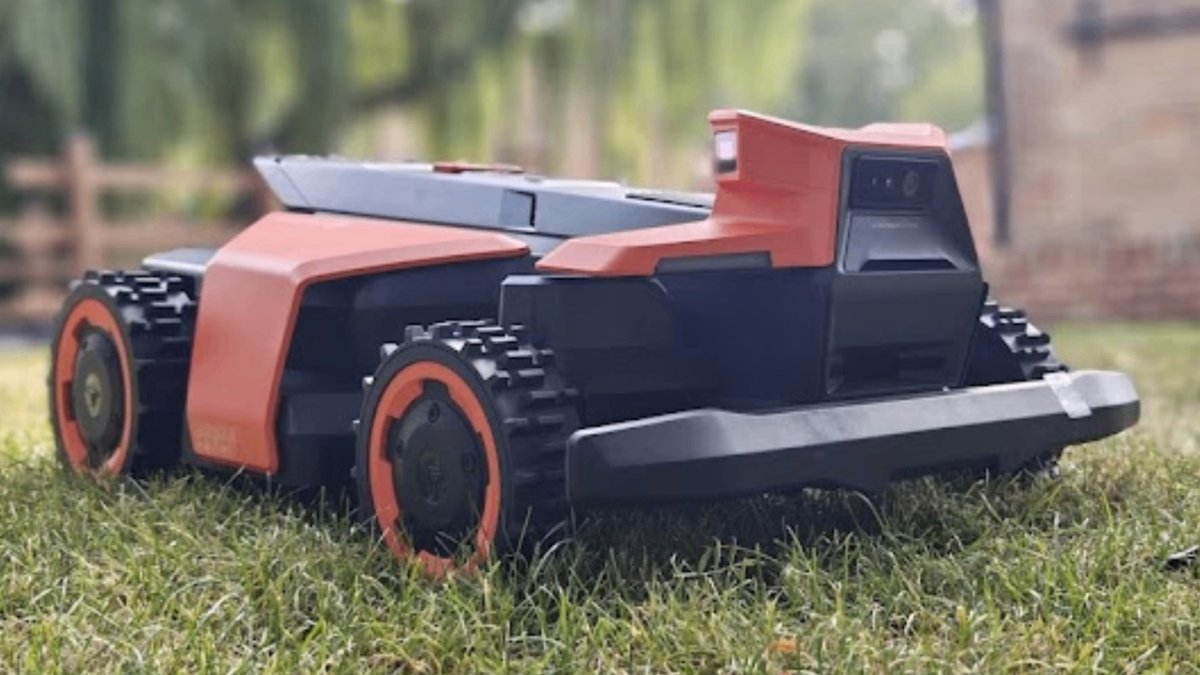
At the heart of the maintenance routine lies the Segway Navimow Terranox, a fully autonomous mower designed to handle complex terrains. Equipped with sensors that detect obstacles, the machine can steer around ponds, streams, and even small animals without interrupting its cutting pattern. Its low‑profile design allows it to glide over gentle undulations, while its programming ensures that no area is missed, delivering an even trim across the entire lawn.
The practical benefits of this technology are pronounced. By delegating the repetitive task of mowing, the owners reclaim a substantial portion of their weekly schedule that would otherwise be occupied by manual labor. This shift not only reduces physical strain but also guarantees a consistently manicured appearance, eliminating the variability that can arise from human fatigue or weather delays.
Beyond the primary lawn, the robotic mower’s flexibility has opened the possibility of extending care to additional green spaces that were previously considered too demanding to maintain. The ability to program separate zones means that peripheral patches, once left to grow wild, now receive the same level of attention, enriching the overall biodiversity and visual appeal of the property.
National Spotlight on the Revival
The transformation has attracted national attention, culminating in a feature on a prominent television programme that highlights extraordinary home renovations. This exposure shows the public’s fascination with projects that blend historical preservation with cutting‑edge solutions, and it positions the Old Mill garden as a benchmark for similar endeavors.
Overall, the project exemplifies how a thoughtful combination of traditional craftsmanship, ecological sensitivity, and advanced automation can revitalize a derelict environment. By respecting the site’s heritage while adopting innovative tools, the Davies family has created a living example of sustainable stewardship that benefits both the environment and their everyday lives.




Leave a Reply