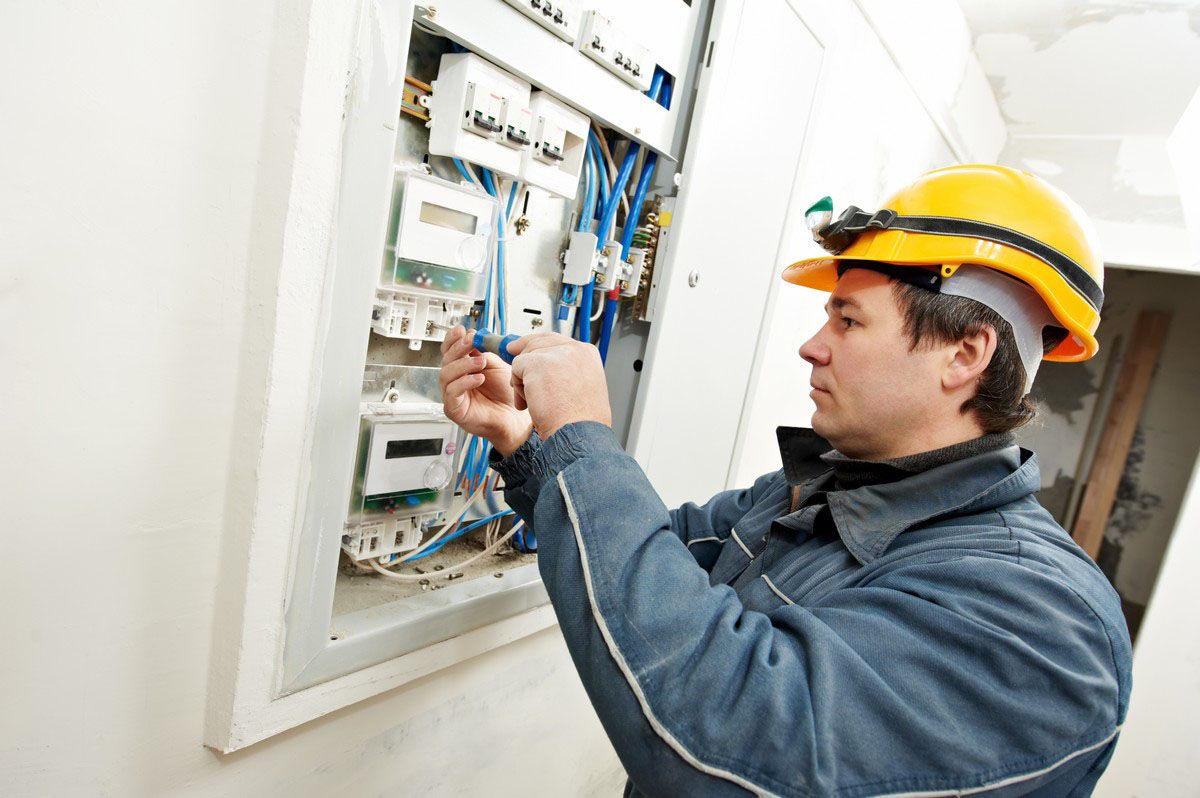
Maintaining the infrastructure of a business property is a process that unfolds in stages. While many building managers think of electrical work as a reactive task—something to be addressed only when a breaker trips or a circuit fails—the most effective approach to commercial electrical services involves a lifecycle strategy. By understanding how electrical systems age, evolve, and respond to the demands of daily operations, business owners can transition from perpetual emergency repairs to a model of sustained, reliable performance.
Initial Planning and Building Integration
Every business environment begins with specific energy needs based on the layout and intended use of the facility. During the early stages of a project, the focus is typically on load calculation, equipment placement, and the integration of safety mechanisms. For a space to function efficiently, the electrical architecture must account for more than just the current equipment in use; it must also consider the potential for growth.
When working with professionals to establish an electrical framework, the conversation often turns to future-proofing. This might involve planning for additional circuits, optimizing the placement of power distribution points, or selecting lighting solutions that provide both aesthetic appeal and operational efficiency. Engaging in this level of planning early on can prevent common issues, such as overloaded panels or the need for expensive, disruptive rewiring projects as the business expands.
The Evolution of Facility Demands
As a business moves past its initial setup, the electrical system begins to encounter the stressors of daily wear. High-traffic areas, constant machinery usage, and the changing needs of a growing staff can place unexpected loads on older wiring and distribution hardware. This is the stage where the commercial electrical services a facility receives become most critical.
Regular maintenance checks are designed to identify signs of stress before they result in significant downtime. A technician looking at a system over a multi-year period will monitor the performance of panels and breakers, looking for heat signatures, loose connections, or signs of environmental damage. This type of ongoing oversight helps ensure that the electrical system remains stable. If the facility undergoes renovations or the installation of new equipment, these maintenance visits also provide the perfect opportunity to verify that the existing infrastructure can safely support those updates.
Signs of System Strain and Necessary Adjustments
Determining when a system requires an adjustment or an upgrade is rarely about waiting for a complete outage. Instead, it involves watching for subtle patterns that indicate the electrical system is struggling to keep pace. Flickering lights, circuit breakers that trip with increasing frequency, or equipment that fails to perform as expected can all be indicators that a system is reaching its capacity.
These symptoms often serve as a signal to review the current electrical configuration. In many cases, adding a dedicated circuit for sensitive equipment or upgrading a service panel can restore balance to the system. Addressing these concerns when they are minor is generally a more efficient use of resources than managing the fallout of a major failure. For property owners, keeping clear documentation of these minor adjustments over time provides a valuable history that makes future troubleshooting much faster and more accurate.
Long-Term Maintenance for Exterior Lighting
While the internal electrical system powers daily operations, outdoor lighting services fulfill a distinct set of roles, ranging from enhancing site security to improving the overall aesthetic experience for clients and employees. Unlike interior systems, outdoor installations are constantly exposed to environmental stressors like moisture, temperature fluctuations, and debris.
Maintaining exterior lighting is an ongoing commitment to visibility and safety. Over time, fixtures may become clouded, wiring connections can be compromised by the elements, and light levels may dim as components approach the end of their service life. A proactive maintenance schedule for outdoor lighting ensures that security zones remain well-lit and that any damaged fixtures are repaired before they become safety hazards.
When businesses focus on the longevity of these systems, they often look for ways to optimize their lighting footprint. This might include adjusting sensor sensitivity, ensuring that timers or automated systems are calibrated to the current daylight patterns, or replacing aging hardware with options that are better suited for the local climate. These small, periodic refinements help sustain the performance of exterior installations, keeping the property accessible and secure throughout the changing seasons.
Cultivating a Sustainable Electrical Strategy
The relationship between a facility and its electrical infrastructure is continuous. A system that is installed well and maintained with care tends to serve a business reliably for an extended period, while neglect can lead to a cycle of compounding issues. The goal of any comprehensive maintenance strategy is to achieve a state where the electrical system supports business activities quietly and consistently in the background.
For business owners and managers, the most effective approach is to view electrical and lighting needs as an investment in the facility’s overall health. By building a rapport with qualified service providers who understand the specific needs of the property, decision-makers can ensure that their infrastructure is not just functioning today, but is also prepared to adapt as the business evolves. Taking this long-term perspective allows for better financial planning, reduced operational stress, and a safer environment for everyone who uses the space. Whether through routine inspections or targeted system upgrades, the commitment to proactive management is what ultimately defines a well-maintained and future-ready business facility.




Leave a Reply