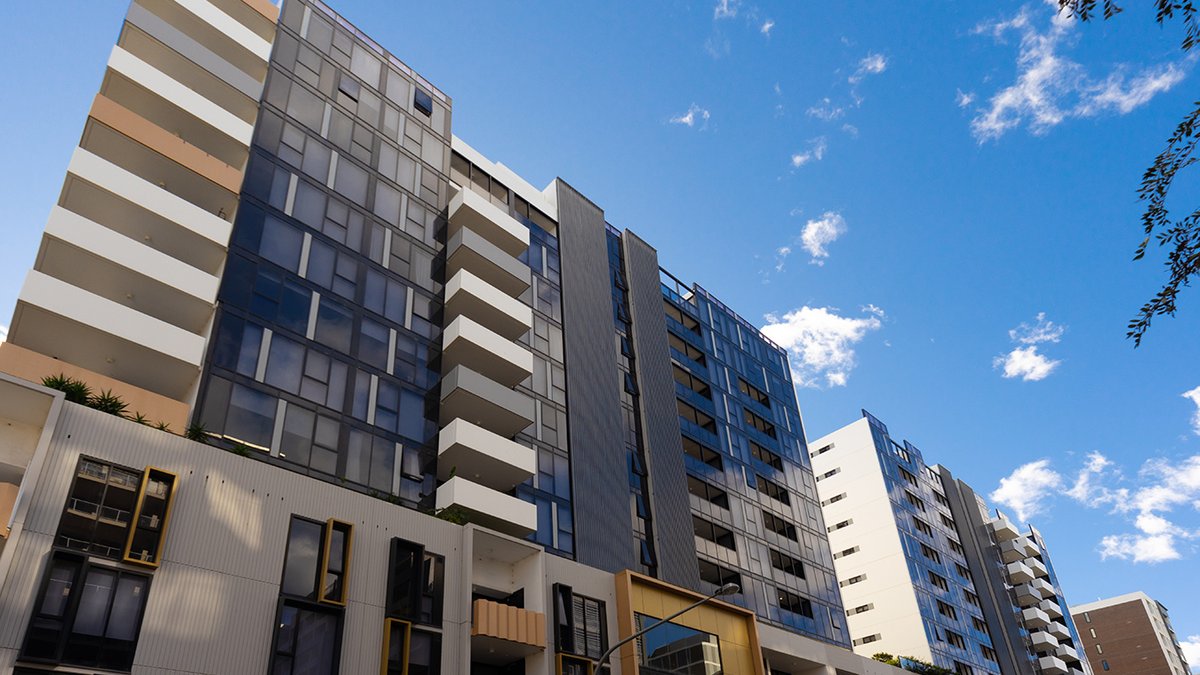
The number of rooming and boarding houses in New South Wales has risen sharply over the past five years, driven by affordability pressures, shifting tenant preferences, and investor demand. With median weekly rents in NSW now hitting $650, up 73.8% since 2019, many renters, particularly those living alone, are turning to rooming houses as a more budget-friendly alternative. Weekly rates in these properties typically range from $200 to $500, often including all utilities and furnishings, a stark contrast to traditional rental costs.
Economic strains, including inflation and geopolitical instability, have made standard housing unaffordable for growing segments of the population. The Australian Bureau of Statistics projects that single-person households will keep expanding, further boosting demand for shared or semi-shared living arrangements. Rooming houses now cater to a broader audience than before, no longer limited to students or low-income individuals.
Modern rooming houses are increasingly purpose-built rather than converted from older properties. New developments prioritize privacy and amenities like private bathrooms and kitchenettes, moving away from the shared facilities common in older setups. This shift has improved the overall quality and appeal of rooming house living, attracting tenants who previously would have sought conventional rentals.
Employers in industries relying on fly-in-fly-out (FIFO) and drive-in-drive-out (DIDO) workers are also driving demand. Some companies now lease rooming house accommodation for interstate staff, viewing it as a more comfortable option than traditional truck stops or motels. The convenience of fully furnished, utility-included rentals aligns with the needs of temporary workers who require flexibility and minimal setup.
Australia’s housing shortage, estimated at over 250,000 homes nationwide, has intensified competition for all types of accommodation. With net overseas migration reaching 306,000 in 2025, rooming houses help ease pressure by allowing multiple tenants to occupy a single property. While they won’t solve the broader housing crisis, they provide a scalable solution in high-demand areas.
Interstate migration trends have also played a role. Since the COVID-19 pandemic, more Australians have relocated from major cities to regional areas, often drawn by lower costs and lifestyle changes. Rooming houses offer an accessible entry point for these moves, with their ready-to-occupy nature and inclusive rental models reducing barriers to transition.
Investors see rooming houses as a stable asset class, particularly in central locations near amenities. Vacancy rates in metropolitan NSW properties typically stay low, translating to net yields between 4% and 7%, while regional markets deliver even higher returns of 7% to 10%. The combination of strong demand, predictable income, and relatively low maintenance costs makes them an attractive alternative to traditional rental properties.





Leave a Reply