The middle of the night is when most people notice their bedding isn’t working. One minute they kick off the comforter, the next they pull it back on—temperature swings that disrupt sleep before registering.
Experts suggest keeping bedrooms cool to match the body’s natural dip in core temperature before sleep. That drop, about 1 to 2°F, signals it’s time to rest. For those who run hot, standard bedding can trap heat instead of letting it escape.
How cooling comforters work
Cooling bedding isn’t a regulated category, so brands take different approaches. Some use surface treatments that feel cold at first but lose effectiveness after washing. Others prioritize lightweight fibers, open weaves, and moisture-wicking materials to manage heat over time.
Airflow matters more than an icy first touch. A comforter that feels cool at 10 p.m. might still overheat by 2 a.m. Construction also plays a role—dense quilting traps heat, while looser stitching allows air to move.
Thinness isn’t the only factor. Some sleepers prefer a bit of weight, even in a cooling comforter, for that enclosed feeling. The aim is to let heat dissipate without losing comfort.
Materials that improve breathability
Fabric choice affects airflow, but fill and construction are equally important. Lightweight, less dense materials help heat and humidity escape. Common options include:
- TENCEL™ lyocell (eucalyptus-based): smooth, moisture-wicking, and breathable
- Cotton percale: crisp and naturally airy
- Down-alternative fill: lighter than traditional down and less heat-trapping
The stitching pattern can also change how a comforter feels. Tight quilting may sleep warmer, while looser designs often feel cooler and less restrictive.
Now, cooling bedding is common as more brands design for everyday sleepers who want to avoid waking up sweaty. The change happened gradually—first with performance fabrics in sheets, then comforters, and now pillows and mattress protectors. What was once a specialty item is now a standard option in most bedding collections.
Two comforters for temperature balance
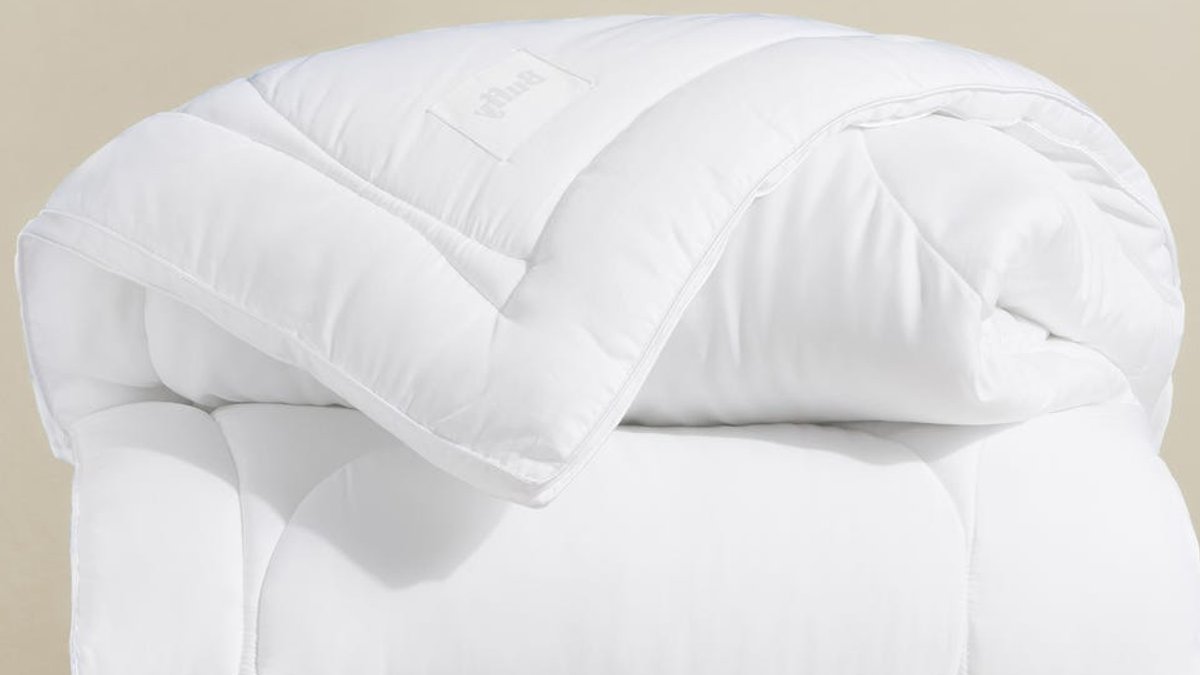
The Buffy Cloud Comforter is an all-season choice with a plush feel that doesn’t weigh much. Its lyocell cover wicks moisture, and the lofted fill stays evenly distributed thanks to the stitching. It’s softer and quieter than many cotton comforters, making it a good fit for those who want fluff without overheating.
Who benefits from cooling comforters
They aren’t just for people in hot climates. Anyone who wakes up overheated, shares a bed with a partner who sleeps at a different temperature, or deals with night sweats might find them useful. Even those who prefer lighter layers but still want the comfort of a comforter could sleep better with a ventilated version.
If someone constantly adjusts the thermostat or throws off blankets, a more breathable option might help. The right one should maintain comfort from bedtime to morning—not just for the first few minutes.
Finding the best fit often requires testing different options. Small details like fill density, fabric, and stitching can make a noticeable difference.
Temperature regulation in bedding has become simpler to address.
An apartment tailored for its owner might include such bedding to improve sleep quality in urban settings.





Leave a Reply