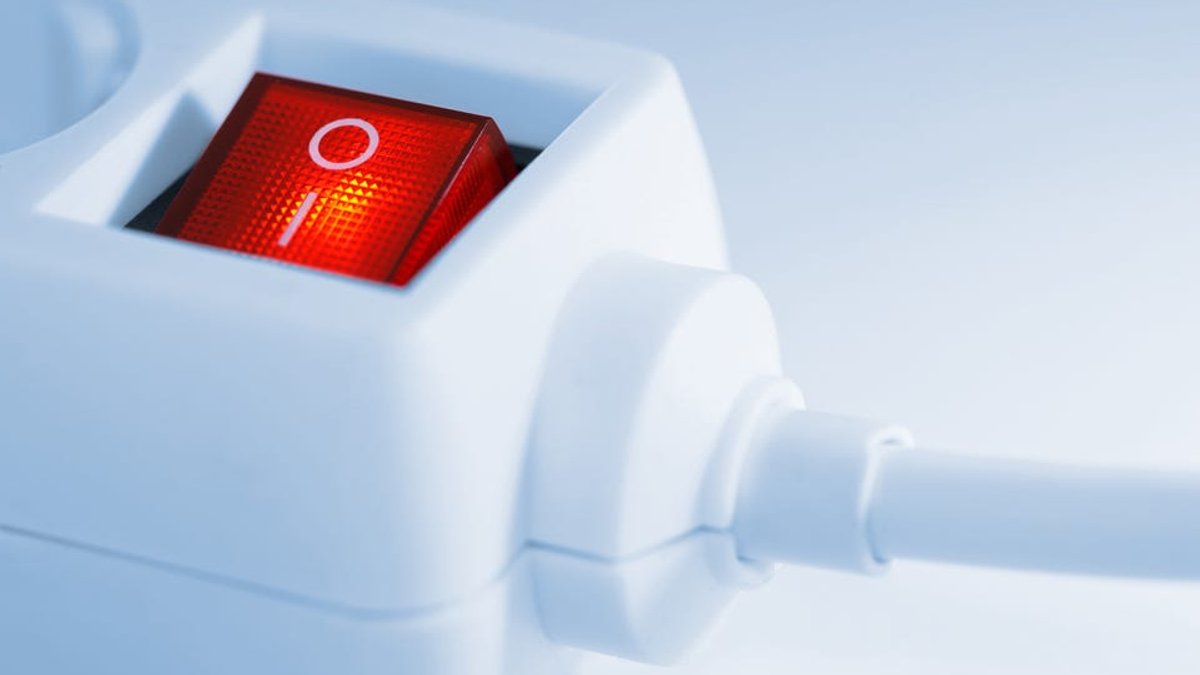
The red light on a power strip isn’t a warning—it’s a sign everything is working as it should.
Most people assume a red light means trouble, like a tripped circuit or a dying battery. But in the case of power strips, the opposite is true. According to Dan DiClerico, director of the Home Improvement & Outdoor Lab, the red light indicates the strip’s surge protection is active and functioning properly.
Why the color red?
The confusion makes sense. Red lights usually signal problems—a smoke alarm chirping, a GFCI outlet that needs resetting, or a car’s check engine warning. But with power strips, the red light is a confirmation, not an alert.
“It’s a little counterintuitive,” DiClerico said. “People see red and assume something’s wrong. But here, it means the surge protection is doing its job.”
What not to plug into a power strip
While the red light itself isn’t a cause for concern, how people use power strips can be. The biggest mistake? Overloading them with high-wattage devices.
Space heaters, hair dryers, toaster ovens, and air fryers should never be plugged into a power strip. These appliances draw too much power, creating a fire risk. Fire safety groups, including the Electrical Safety Foundation International, warn against running space heaters off power strips or extension cords, as overheating can lead to ignition.
Related: Melted Cheese Sparks Swiss Culinary Rivalry
Another common hazard is daisy-chaining—plugging one power strip into another. This overloads the circuit and increases the risk of fire. One strip per outlet is the rule.
In general, anything that generates heat or draws significant electricity should go directly into a wall outlet. That includes coffee makers, irons, and even some gaming consoles or computers during heavy use. Power strips are best reserved for low-wattage devices like lamps, phone chargers, and home entertainment systems.
This isn’t just about avoiding damage to electronics. It’s about preventing a fire in a home where someone might not notice the strip overheating behind a desk or under a TV stand. Most people don’t check their power strips daily, but the red light—once its meaning is understood—can serve as a quiet reassurance that the protection is still in place.
The habit of plugging everything into a power strip is hard to break. Many homes have too few outlets, and power strips offer a convenient workaround. But convenience shouldn’t come at the cost of safety. If an appliance feels warm to the touch after use, it’s a sign it needs its own outlet.
For now, that red light can stay on. It’s not a problem—it’s proof the strip is doing what it was designed to do.




Leave a Reply