For the global traveller’s guide to buying homeware, knowing where to shop can turn a routine souvenir hunt into a lasting piece of cultural heritage.
Japanese knives and Italian coffee pots
In Tokyo, the kitchenware name Kiya stands out for its knives that blend razor‑sharp edges with a classic look. The brand, founded in 1792, offers blades that many local chefs trust. Staff at the flagship store often share detailed histories of each model, making the purchase feel more personal than an online order. A simple serrated knife starts at £8, but remember that knives must go in checked luggage, not a carry‑on.
South‑east Asian metal cookware
New Delhi’s P‑Tal brand works with UNESCO‑listed artisans to revive brass and kansa cookware using techniques passed down through generations. The store showcases hand‑hammered bowls and pots that carry a story of Indian metalwork. A “Legacy” kitchen set is listed at £452, reflecting both material cost and the labor involved.
In Melbourne, the Australian label Hommey sells oversized beach towels that echo the country’s coastal lifestyle. The South Yarra shop offers thick, striped towels priced at £59, striking a balance between practicality and a splash of colour. These towels are often cited as “smart souvenirs” for their durability and design.
They travel light.
European tableware and textiles
Paris’s concept store Merci carries Duralex glassware, a French staple known for its stackable, tempered tumblers. The pieces, priced at roughly £1 each, are built to survive café traffic and make a cheap yet stylish addition to any kitchen.
In Athens, studio Themis Z produces handmade ceramics that echo Mediterranean aesthetics. A “Kallos” charger plate sells for about £95, offering a glimpse of Greek design without the need for a full‑scale import.
Related: Mid-Century Australian Home Merges Heritage with Modern Design
Over in Copenhagen, the renowned Danish brand Rosendahl offers wooden “Songbird” figures.
Travelers heading to Morocco can arrange a visit to Beni Rugs’ workshop in Tameslouht, a village near Marrakesh. The showroom, open by appointment, displays contemporary rugs woven using centuries‑old techniques. A runner starts at approximately £445, reflecting the detailed handwork involved.
While many of these items are available online, buying them locally often means lower prices, direct interaction with craftsmen, and the chance to claim tax refunds on departure. For example, Berlin’s Rimowa store sells aluminium suitcases for £800, and shoppers can file for VAT refunds, making the purchase financially attractive.
One cautious observation: the appeal of authentic homeware may lead some travelers to prioritize price over authenticity, risking purchases that are mass‑produced copies rather than genuine local crafts. Visitors should verify provenance, especially when deals seem unusually low, to avoid undermining the very cultural exchange they seek.
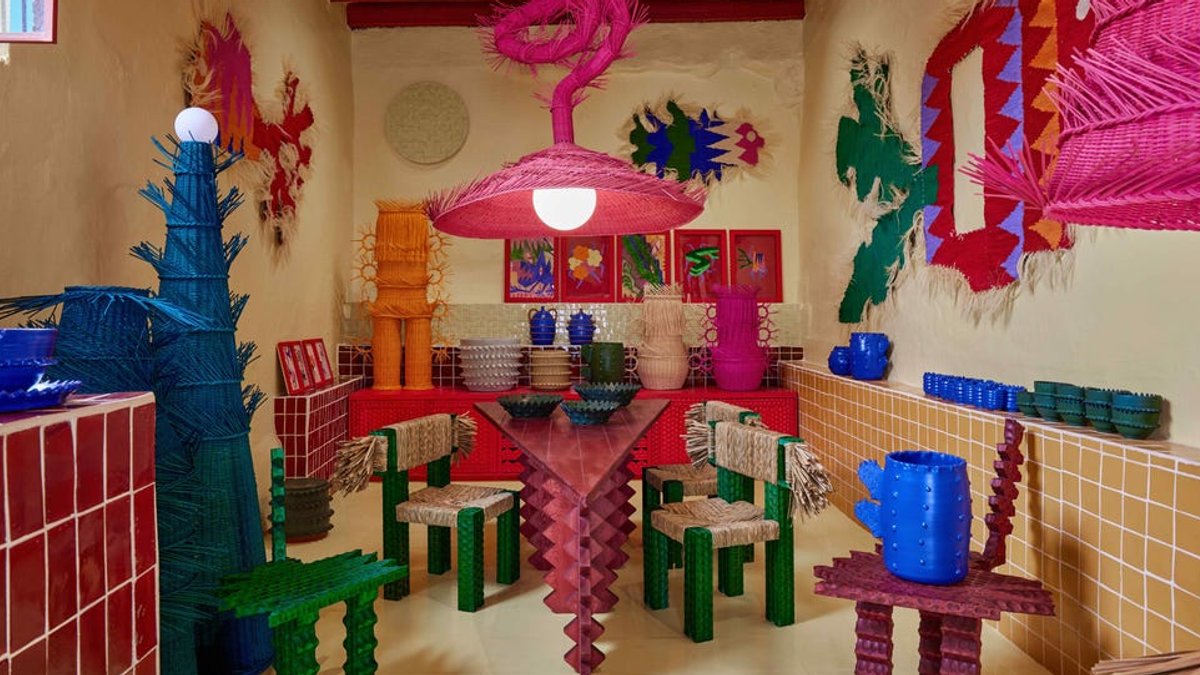
In Mexico City, artist Daniel Valero’s Mestiz showroom opened in 2023, featuring bright furniture, wicker vessels, and textile artworks. The studio uses local materials such as palm, wood, wool, and wicker, though prices are listed on application only, signaling a bespoke approach to each piece.
Overall, the guide highlights that thoughtful selection, awareness of local regulations, and a willingness to engage with artisans can enrich a traveller’s collection of homeware.




Leave a Reply