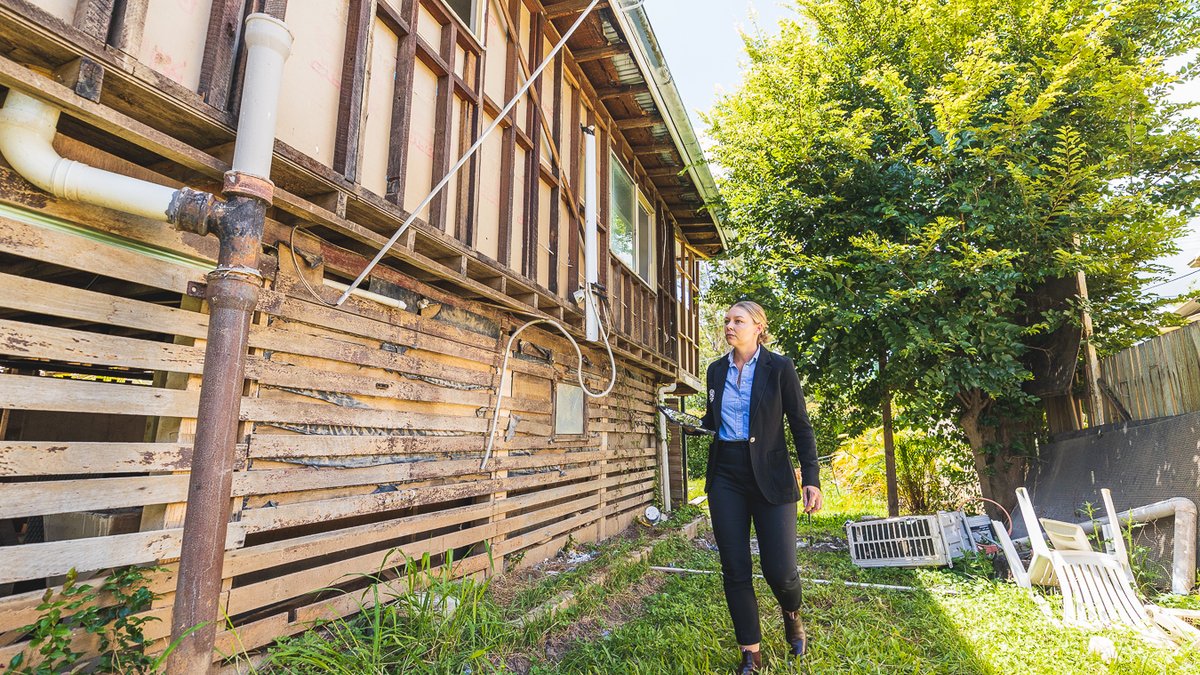
The 2022 South East Queensland and Northern New South Wales floods highlight the risks of underinsurance in the aftermath of major natural disasters. A building that appears adequately insured under normal conditions can have a significant funding gap once a disaster hits.
In February and March 2022, major flooding impacted the region, causing widespread destruction to residential, commercial, and industrial assets. The floods led to a surge in demand for trades and materials, pushing reconstruction costs beyond pre-flood expectations.
Underinsurance Risks
A commercial building owner who insured their property based on a valuation completed several years earlier may be underinsured. For example, if a building is insured for $10 million but the actual reinstatement cost is $13 million, the owner is already underinsured by $3 million.
When a major event hits a whole region, the gap can widen further. Neighboring properties compete for the same contractors, materials, and trades, reconstruction periods lengthen, and prices rise on demand alone. The actual replacement cost may climb to $15 million, resulting in a funding gap of $5 million.
Underinsurance rarely occurs because owners intentionally choose insufficient cover. More commonly, it occurs because insured values are left unreviewed for years while construction cost inflation, demolition and debris removal, and professional fees rise over time.
Construction Cost Inflation
Construction cost inflation, including labor rates, steel, concrete, and mechanical and electrical services, can rise over time, often unnoticed until a claim forces a recalculation. Demolition and debris removal costs, including waste disposal and hazardous material management, are frequently overlooked.
Professional fees, such as architects, structural and hydraulic engineers, certifiers, quantity surveyors, and project managers, are genuine reconstruction costs. Post-disaster escalation, often the biggest issue, can generate labor and material shortages, creating an inherent risk of underinsurance.
Impact of Underinsurance
When underinsurance meets a major disaster, the impact can play out differently depending on the asset. Special levies may be imposed on owners, the scope of rebuilding works may be reduced, financing requirements may increase, or significant capital injections may be required from owners.
According to local reports, the difference between an insured value and a true reinstatement value can determine whether recovery is achievable or financially devastating. They note that when a disaster affects a single building, reconstruction occurs within a functioning market. However, when a disaster affects an entire region, the market itself changes. Labour becomes scarce, materials become constrained and construction costs can escalate rapidly.
A property may appear adequately insured under normal market conditions, but if the insured value does not include demolition, professional fees, escalation allowances, and current replacement costs, a major natural disaster can expose a multimillion-dollar funding shortfall. Owners are advised to get their reinstatement valuation reviewed well before conditions change, not after.
Replacement cost can increase dramatically after a catastrophe because everyone is rebuilding at the same time. The lesson from events such as the 2022 Queensland and NSW Floods, Cyclone Yasi, and other major Australian catastrophes is that reconstruction costs are often highest immediately after a disaster, precisely when an insurance policy is called upon.



Leave a Reply