London’s New Designers 2026 opens next week, offering a first look at the graduates shaping the next decade of design. The annual exhibition runs from July 1 to 4 at the Business Design Centre and has launched careers for figures like Benjamin Hubert and Margot Selby. This year’s show features eight young talents exploring sustainability, accessibility, and the balance between tradition and technology.
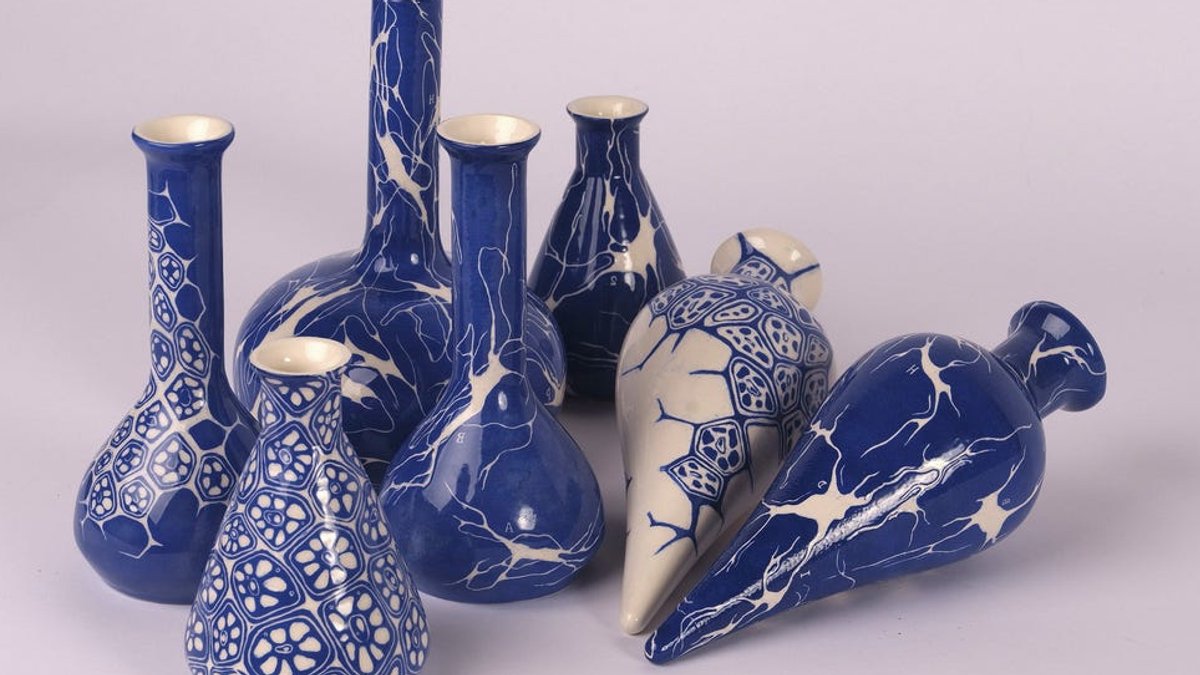
Hattie Taviner presents “The Secret History of Plants: and the Women Who Found Them”, a project that reimagines botanical study through woodwork and ceramics. Her pieces resemble scientific apparatus but incorporate ornate, decorative surfaces, challenging assumptions about craft, science, and the role of women in both fields.
Zobiya Asif, a University of Staffordshire graduate, merges play with functionality in “Char Ki Kursi”. The piece serves as both a chair and a Ludo board, blending contemporary design with Pakistani heritage. Objects this year often invite interaction rather than passive observation.
Iris Reed approaches sustainability through reinvention. Her “Jarapa Chair” combines two Alpujarran traditions: the bulrush chair and the jarapa rug, made from textile waste. Reed’s version uses pre-owned T-shirts, transforming fast fashion’s leftovers into durable, colorful furniture. For those looking to incorporate similar upcycled elements into their homes, modern decor trends offer fresh inspiration.
Related: Top 10 ice buckets to beat heatwave
Light takes center stage in Qiyu Zhang’s work. A Kingston University graduate, Zhang designed “Flow”, a streamlined alternative to bulky seasonal affective disorder lamps. The light adjusts colors to mimic natural daylight, helping regulate circadian rhythms and reduce mental strain during shorter winter days. It stands out as a wellness product that prioritizes aesthetics.
Millie Herbert’s “RE-PLAY” demonstrates that sustainable design doesn’t need to be serious. Her chair, crafted from recycled plastic, combines playful form with function, encouraging users to engage with material innovation. The name reflects its dual purpose: cutting waste while sparking joy.
Metalwork is making a comeback, and Lucas Norris leads the charge. His abstract forged steel sculptures merge traditional blacksmithing with contemporary techniques, exploring personal transformation. The tactile pieces invite touch despite their industrial origins.
Jamie Scott, a Northumbria University graduate, designed “Sōma” to address emotional regulation in adults with ADHD. The trio of oak objects—Rest, Rhythm, and Release—provides distinct sensory experiences: warmth, movement, or resistance. These designs ground users in a screen-dominated world, focusing on neurodivergent needs.
Related: Rattan homeware worth investing in now
Evan Daggart grounds his work in local materials. Using wild clay from his hometown of Dufftown, Scotland, he creates vessels that reflect their environment. Glazes and firing methods vary, allowing nature to shape the final form. The approach advocates for local resources in an era of globalized production.
The exhibition captures design’s shifting priorities. Many graduates address shared challenges: honoring tradition without constraint, making sustainability appealing, and designing for a world where technology often outpaces human needs.
Visitors will find answers in the details. A chair that doubles as a game, a lamp simulating sunlight, or a sculpture bridging past and present reveal design’s potential. The work on display isn’t just about current trends—it hints at what’s next.
Tickets are available online.




Leave a Reply