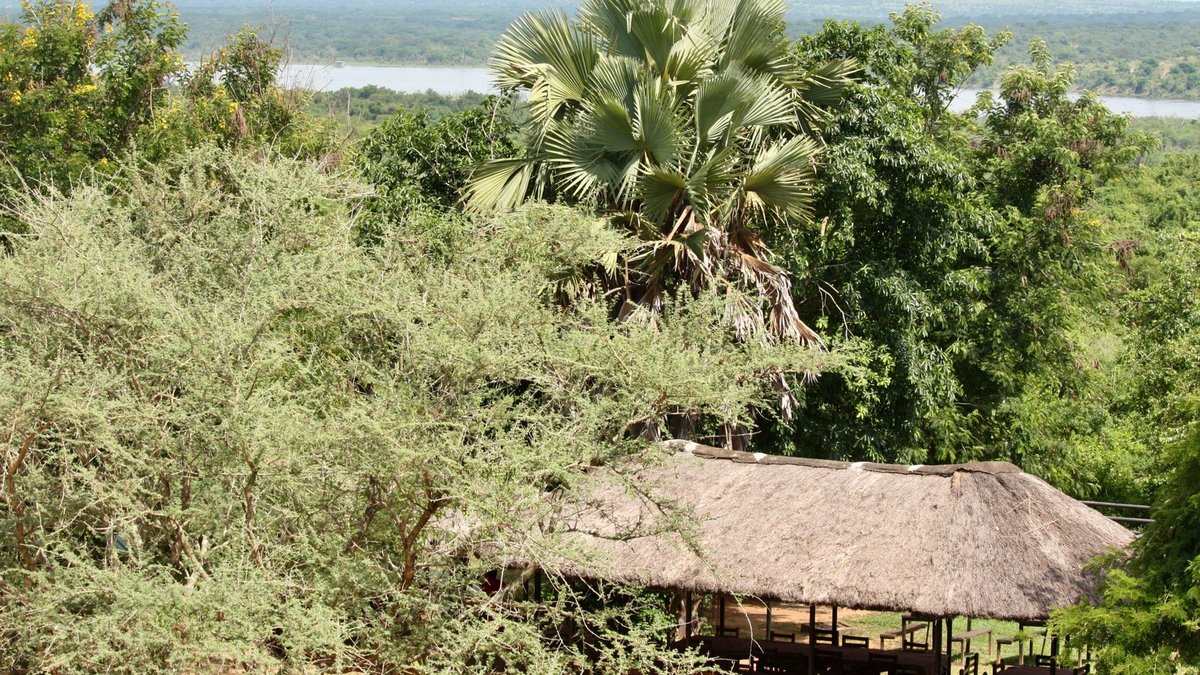
The Kruger National Park’s safari lodges now serve as architectural landmarks rather than just accommodations. While high-end amenities like private suites, outdoor pools, and gourmet stargazing dinners remain essential, the most innovative properties are redefining what luxury means in the bush through intentional design choices. Across the park, architects and designers are moving past outdated conventions, crafting spaces that integrate with the environment while introducing fresh, contemporary concepts.
This transformation rejects the assumption that wilderness luxury must follow a single formula. Instead, current designs explore contrasting directions: some lodges dissolve into the surroundings, while others create bold, sculptural statements. The outcome is a design approach that emphasizes harmony over visual competition. Bedrooms frequently open onto private decks, walls often dissolve into the bush, and glass barriers blur the distinction between indoor and outdoor spaces. In some cases, entire buildings are raised or nestled beneath existing trees, turning stays into immersive observation experiences.
This movement extends beyond visual appeal—it reflects a principle of restraint. The most effective designs do not compete with the environment but instead frame it. When a window frames a Kruger sunrise, the architecture’s purpose is to enhance rather than distract. The result is a subtle form of luxury, where the natural setting becomes the true focal point.
Architecture that breathes with nature
Space as a defining element
Modern safari architecture treats open layouts and fluid movement as essential components. Spacious living areas with vaulted ceilings and double-height spaces create an airy atmosphere, while dramatic roof structures give communal spaces a pavilion-like quality. Light and views circulate freely, reinforcing the idea that luxury lies in how guests engage with their surroundings.
Yet this openness is balanced by opportunities for solitude. A reading corner beside a window, an outdoor shower hidden in the bush, or a private terrace overlooking a watering hole provide moments of quiet. The guiding philosophy is clear: guests should have the freedom to gather around a fire or retreat into the sounds of the wilderness, depending on their preference.
From striking shapes to tactile materials, contemporary safari design expresses luxury without overwhelming its setting. The chosen materials tell a story—timber, stone, leather, and woven textiles create spaces that feel rooted in place while incorporating refined details. Some properties blend raw textures with polished surfaces, creating tension between sophistication and natural imperfection.
A defining trend is the use of locally inspired craftsmanship. Hand-finished surfaces, custom furniture, and artwork by African creators give each lodge a unique identity. This approach moves beyond generic “African style” tropes, instead celebrating modern creativity that feels authentically connected to its environment.
Light and color redefine bush luxury
The evolution reflects broader changes in hospitality design. Luxury in the bush is no longer defined by a single visual language—whether minimalist, maximalist, or heritage-focused. Instead, architects draw inspiration from the environment itself, using color, lighting, and materials to create spaces that feel both bold and organic.
For example, Sabi Sabi Bush Lodge prioritizes privacy without severing the connection to nature. Suites are positioned to avoid overlooking neighbors, and private terraces extend living spaces into secluded bush corners. Even communal areas are arranged to allow guests to choose between social interaction or solitude.
The outcome is a redefined concept of wilderness luxury. It is no longer just about what a lodge offers but how thoughtfully it enhances the experience. The most innovative properties recognize that the bush itself is the main attraction—and architecture’s role is to amplify it.
The most advanced lodges are also rethinking how light shapes their design. Natural light is carefully managed to enhance the bush experience rather than merely illuminate spaces. Some properties use strategically placed skylights or high windows to flood interiors with soft, diffused light during dawn and dusk, the park’s most atmospheric times. Others employ layered glass that filters sunlight into warm, golden tones, mirroring the savanna’s shifting colors. At night, the absence of artificial light becomes intentional, allowing guests to fully experience the star-filled skies and nocturnal sounds of the wilderness.
Art and sound weave into immersive stays
This approach extends to artificial lighting when needed. Many lodges now feature low-level, ambient lighting that mimics firelight or moonlight. Some even use solar-powered fixtures that blend into the surroundings, their presence suggested only by subtle reflections. The result is an interior that feels attuned to the natural world’s rhythms, even after dark.
While restraint remains central to contemporary safari design, some of the most striking new lodges now adopt eclectic, even maximalist, aesthetics, drawing directly from Africa’s cultural richness. This is not about superficial decoration but about infusing meaning into every detail. Color plays a key role in this shift. Where past safari interiors relied on subdued earth tones, today’s lodges experiment with richer palettes. Mustard yellows, emerald greens, and deep burgundies now appear alongside traditional neutrals, inspired by the Kruger’s wildflowers or sunset hues.
Even minimalist lodges incorporate bold artistic statements. Several properties feature large-scale murals or installations by African artists, using them to tell regional historical and ecological stories. One lodge displays abstract paintings that reinterpret wildlife movements, while another integrates a sculptural piece made from reclaimed wood, each designed to feel like an extension of nature rather than decoration. The goal is not to overwhelm but to create intentionally curated spaces where every object serves a purpose beyond appearance.
Acoustic design is equally important. Thick timber beams, layered textiles, and placed greenery absorb echoes, ensuring natural sounds like leaves rustling or birds calling remain clear. Some lodges incorporate natural soundscapes into interiors, using hidden speakers to play bush recordings at dawn, subtle, unobtrusive, and designed to deepen immersion. The effect is an auditory form of luxury, where wilderness sounds become part of the architectural experience.
As the design language of safari continues to evolve, the future of luxury in the bush will likely focus on deeper authenticity and innovation. While past trends emphasized a singular, often nostalgic interpretation of African aesthetics, contemporary lodges are adopting a more dynamic approach, one that balances heritage with modern creativity. This shift reflects a broader movement in hospitality design, where luxury is redefined not by what is added to a space, but by how thoughtfully it engages with its surroundings. The result is an architectural language that feels distinctly of its time and place, ensuring that safari luxury remains as diverse and inspiring as the wilderness itself.

Leave a Reply