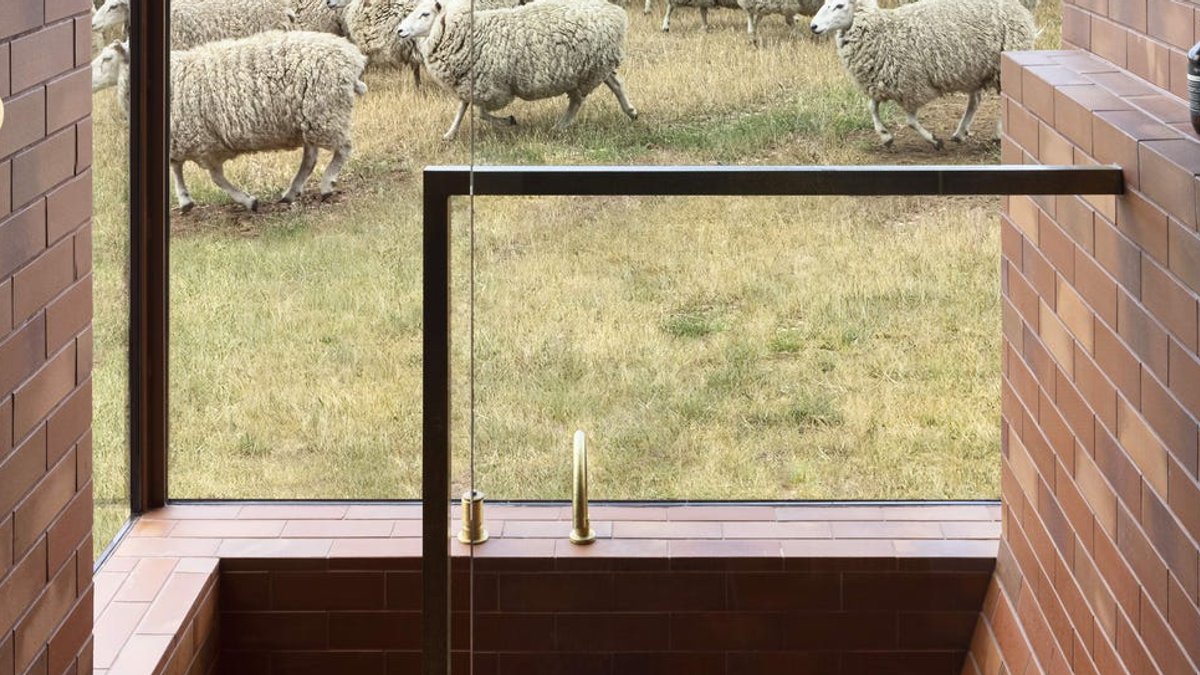
The sunken bathtub is resurfacing as a notable interior trend, echoing the 1980s conversation pit while offering a fresh take on communal and compact bathroom design.
Design roots and modern reinterpretations
Originating in the late twentieth century, the sunken tub concept blends the era’s experimental spirit with today’s focus on spatial efficiency. Brooklyn‑based studio General Assembly applied a 1960s‑70s palette to a New York State beach house, pairing sage‑green tiles and timber accents with a steel plunge bath that sits below floor level. The result feels both nostalgic and forward‑looking, demonstrating how a lowered basin can serve as a focal point without dominating the room.
In California, designer Alex Boudreau created a rustic plunge bath by digging a tiled cavity beneath an existing showerhead. The approach grants taller occupants a sense of spaciousness that standard fixtures often lack. By carving out a recessed area, the design maximizes usable volume while preserving a sleek, minimalist aesthetic.
Related: Mid-Century Australian Home Merges Heritage with Modern Design
Variations across the globe
On the Oregon coast, Bright Designlab installed an oversized sunken tub that invites multiple users, reminiscent of a conversation pit but with water instead of dialogue. The layout encourages shared experiences, prompting a reconsideration of bathing as a social activity.
In a project by Mariana de Delás, the floor was raised around a sunken tub clad in green zellige tiles, creating a seamless visual transition that ties the bathroom to the rest of the home. The design balances decorative flair with a restrained, minimalist feel.
Australian firm FMD Architects placed a sunken tub in a Tasmanian home overlooking expansive countryside. The lowered basin allows occupants to view native Coopworth sheep while bathing, emphasizing how a well‑situated tub can integrate interior and exterior scenery.
Another Australian example from Panovscott showcases a cast‑concrete sunken tub in a narrow Sydney corner. The material’s seamless finish turns a cramped space into a luxurious bathing area, highlighting concrete’s suitability for contemporary interiors.
Related: Best Design Platforms for Limited Homeware Finds
These projects illustrate the versatility of the sunken bathtub, from communal settings to compact urban apartments. By exploiting negative space, designers can deliver a sense of openness that traditional fixtures often cannot provide.
From a broader perspective, the resurgence of the sunken tub aligns with a growing interest in experiential design. Homeowners increasingly seek features that transform routine activities into moments of leisure, and a lowered bath can turn washing into a small retreat. This shift reflects a larger cultural move toward interiors that serve both functional and emotional purposes, a trend that may influence future bathroom layouts.
While the concept promises benefits, practical considerations remain. Installation requires structural modifications, and the lowered profile may affect accessibility for some users. Nonetheless, the featured examples demonstrate that, when executed thoughtfully, a sunken bathtub can enhance both aesthetic appeal and the way space is used.




Leave a Reply