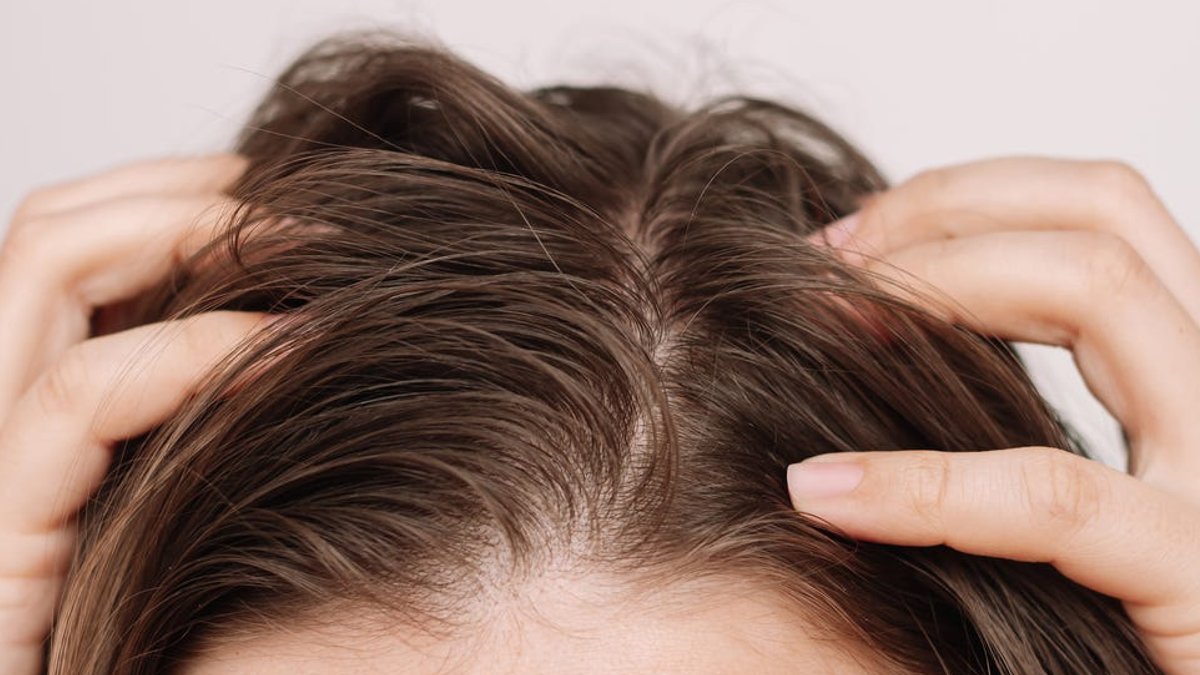
Scalp conditions such as lice affect millions, yet many people overlook the skin beneath their hair.
Common problems that cause bumps, itchiness and flakes
Head lice are tiny insects that live in hair and feed on blood. They spread through head‑to‑head contact, especially among school‑age children. Nits cling to hair shafts and can be mistaken for dandruff, while adult lice appear as sesame‑seed‑sized gray or tan insects. Over‑the‑counter shampoos and a fine‑toothed comb usually clear an infestation; prescription meds are available if needed.
Lichen planus is an inflammatory disorder that may appear as small red or purple bumps on the scalp and can lead to hair loss. The exact cause is unknown, but triggers can include certain medications, hepatitis C infection and, in rare cases, metal dental fillings. Treatment options range from topical corticosteroids to PUVA therapy, which combines a psoralen‑containing soak with ultraviolet‑A light exposure.
Consistent care improves outcomes.
Related: Best Time to Take Vitamin D Supplements
Folliculitis manifests as pus‑filled bumps that resemble acne. Bacterial or fungal infections, irritation from hair products or excessive sweating can trigger the condition. Depending on culture results, doctors may prescribe oral antibiotics or topical steroids to reduce inflammation.
Hair loss can result from anemia, thyroid disorders, hormonal shifts after pregnancy or severe stress. A recent survey found that 68 % of COVID‑19 survivors reported post‑infection hair shedding. Treatments include topical minoxidil, oral spironolactone for androgen‑related thinning, and platelet‑rich plasma (PRP) therapy, which injects growth‑factor‑rich plasma into the scalp.
Scalp cysts are generally benign, appearing as smooth, skin‑colored bumps. Most are genetic and cause little discomfort. When cysts become inflamed or infected, incision and drainage, antibiotics or surgical removal may be required.
Ringworm, or tinea capitis, is a contagious fungal infection that often affects children. It creates circular, scaly patches and can lead to bald spots. Antifungal medication for four to six weeks eliminates the infection, and patients are no longer contagious after 48 hours of treatment.
Related: Stylish Picnic Essentials Heatwave Summer Picks
Allergic contact dermatitis (ACD) occurs when the scalp reacts to allergens such as hair‑dye chemicals, fragrances or preservatives in shampoos. Symptoms range from itchy redness to oozing lesions. Identifying the trigger may involve a patch test, and treatment typically includes topical steroids; severe cases might need systemic steroids.
When to seek professional help
Because the scalp is hard to view, a board‑certified dermatologist can examine your scalp and develop a treatment plan. A thorough exam may reveal an underlying issue that explains persistent itching, flaking or hair loss. Early intervention can prevent complications such as secondary infection or permanent hair loss.
While many scalp problems have over‑the‑counter solutions, persistent or worsening symptoms warrant a medical evaluation. Dermatologists can tailor treatment plans, perform cultures or biopsies, and advise on lifestyle changes that support scalp health.




Leave a Reply