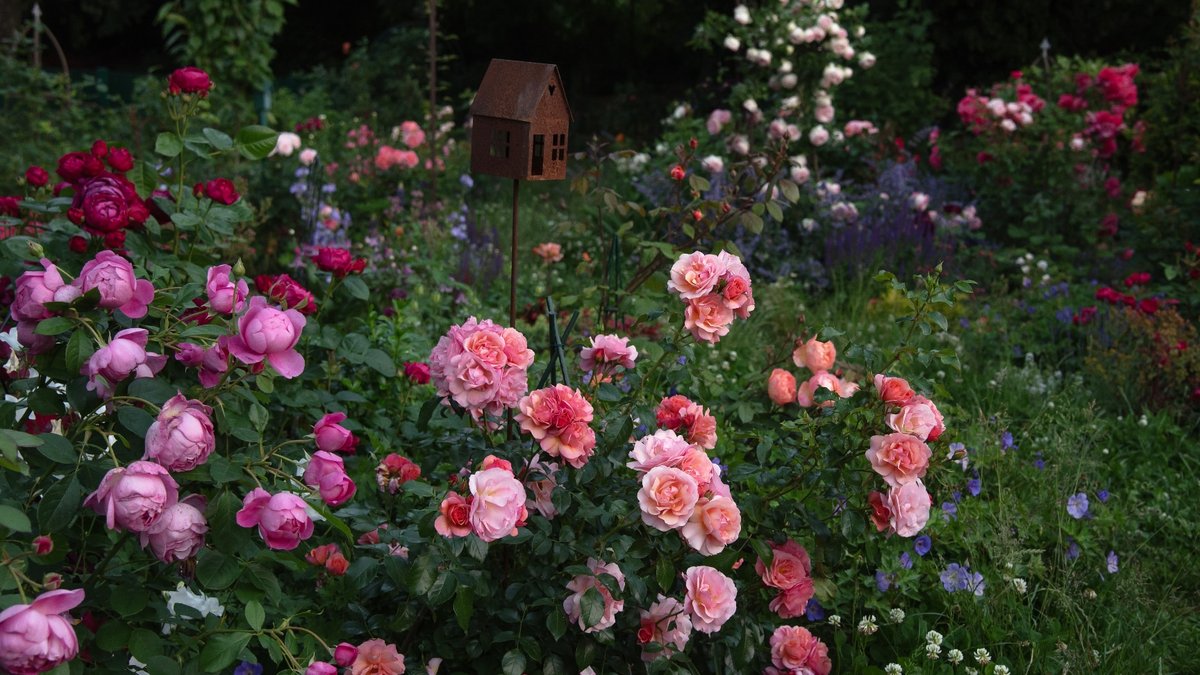
David J.C. Austin, chairman of David Austin Roses and son of its founder, has died. The horticultural world is mourning a figure whose name became synonymous with old-fashioned roses reimagined for modern gardens.
He joined the family business in 1990 and guided it for over thirty years. During his leadership, the company developed roses that blended the perfume and petal density of classic varieties with the repeat-flowering habit and disease resistance of modern hybrids.
The roses that became family heirlooms
A generation of gardeners grew up with the distinctive deep-green pots bearing the company’s gold crest. One writer recalls her grandparents’ cottage garden, where every anniversary or birthday was marked by a new rose. “Well, they’re the best,” her grandfather would say, a phrase that became part of family lore.
The company’s catalog still highlights scent, describing notes that shift as blooms open—green banana giving way to honeyed musk, nougat, and clove in one variety.
Related: Reviving Your Roof: The Importance and Benefits of Roof Restoration
Breeding beauty and resilience
The roses Austin developed are celebrated for their health and adaptability. Most grow well in any soil and tolerate partial shade. Heights vary from compact shrubs under a meter to climbers reaching 4.5 meters, making them versatile for borders, arches, and doorways.
‘The Lark Ascending’ stands out for pollinators. Its apricot blooms produce up to fifteen flowers per cluster, each rich in pollen and nectar. Bees and butterflies are drawn to it, and its tall, graceful form adds structure to gardens.
A legacy in bloom
Some of the most memorable introductions reflect broader cultural moments. ‘Sir David Beckham’ was introduced at the RHS Chelsea Flower Show in 2026. Its ivory-white blooms begin with a faint yellow tint before maturing into a luminous white. The fragrance evolves from delicate green banana to a richer, honeyed musk.
‘Emma Bridgewater’, named after the well-known potter, features pink shades that shift to mauve and lilac as the season progresses. This repeat-flowering rose pairs well with lavender, embodying the cottage-garden style. Thriving in all soil types, it can be planted in a north, east, south, or west-facing aspect, in full sunlight, though it will tolerate partial shade. This rose will reach 125cm and deliver a generous show throughout the season.
Related: Elevated Comfort: Transforming Outdoor Dining with Motorized Louvered Roofs
‘The Poet’s Wife’ is valued for its fruity, sweet scent and rippled petals. Its compact size makes it ideal for cut flowers, and gardeners often plant it near pathways or dining areas to enjoy its fragrance. This shrub rose will reach just over 1m in height and width and has a neat, tidy habit.
The company’s roses have become a global fixture in gardens, but their appeal extends beyond looks. They reflect a philosophy that values beauty and the ability to attract pollinators. That approach will likely continue as new varieties are developed.
For many, Austin’s death feels personal. His roses were more than plants; they marked milestones, served as gifts, and created summer memories. The gardens they grace will preserve those memories for years.




Leave a Reply