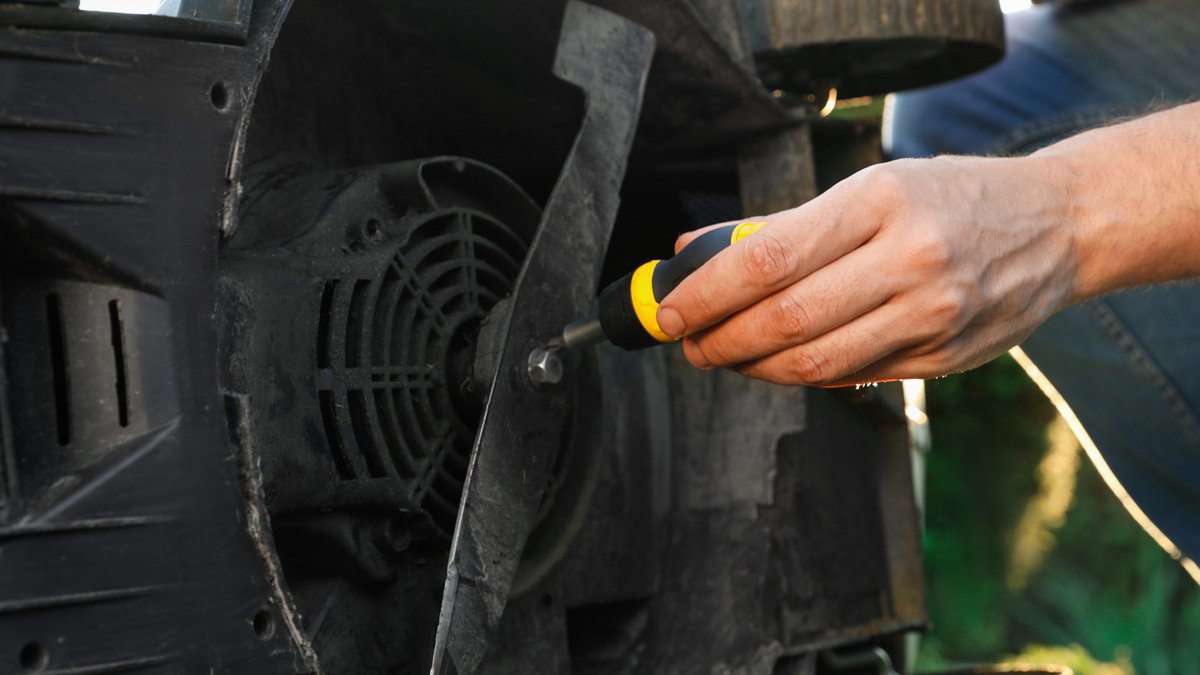
Sharp lawn mower blades are essential for a clean cut; a dull edge leaves grass ragged, creates brown spots and forces the engine to work harder, which raises fuel use.
Landscapers in the 1990s, especially in California, prioritized cut quality over fuel costs and often used a hand file to keep blades sharp. The method is slower than power tools, but the deliberate pace allows careful material removal. They preferred this approach because it gave them more control over the sharpening process.
A file does not match the speed of an angle grinder or bench grinder, yet that slower rate helps avoid removing too much metal. By filing, the operator can watch the edge develop and stop before over-sharpening occurs. This approach is particularly useful for maintaining the blade’s edge.
Deep nicks or gouges still require a grinder, but once those are repaired, a file provides the final polish, much like hand-sanding wood smooths its surface. The file’s gentle touch helps to preserve the blade’s integrity.
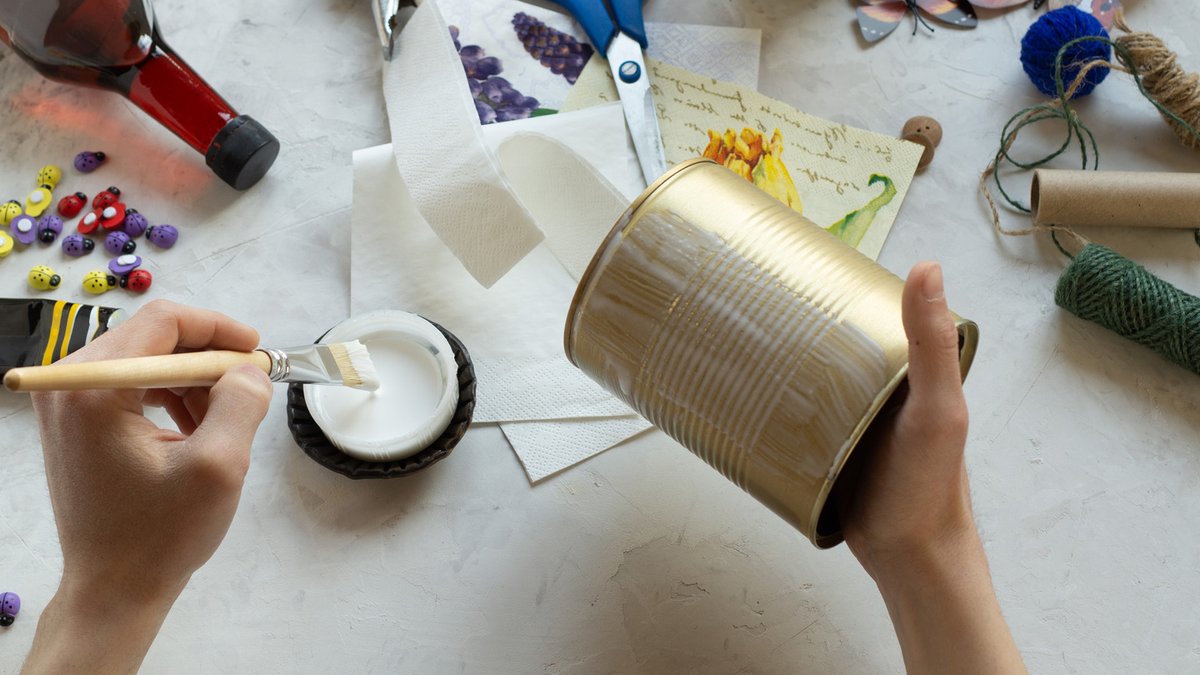
Read Also: DIY turns tin cans into stylish string light diffusers
To file a blade, it must be taken off the mower and clamped in a vise. The bolt that holds the blade needs to be loosened, which can demand considerable force. Before starting, disconnect the spark plug or battery and ensure the blade cannot turn.
Old-school mechanics sometimes wedge a piece of wood between blade and housing, but a purpose-made lawn mower blade clamp offers a safer way to immobilize the cutting arm. This specialized tool is designed to hold the blade firmly in place.
Using a flat file is recommended; these tools come in different coarseness levels. If several files are available, begin with the coarser grade and finish with a finer one. When only one file is kept, a single-cut mill file works well, and a wooden handle can improve control, though it is not required. The choice of file depends on the individual’s preference and the specific sharpening task.
Match the file’s angle to the blade’s bevel and keep the file flat against it. Apply pressure while pushing the file forward, then lift it on the return stroke. When the process is complete, the edge should feel as sharp as a butter knife and be ready for reinstallation.



Leave a Reply