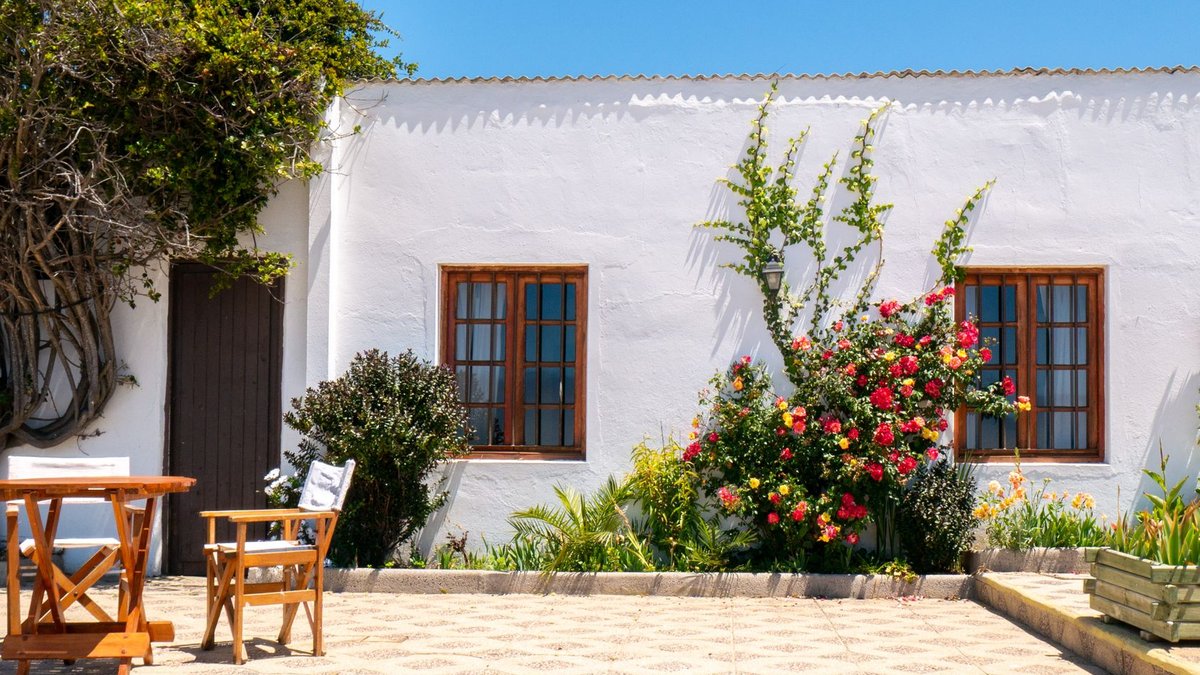
In South Africa, the boundary between the indoors and the outdoors has always been beautifully blurred, with a good patio serving as an outdoor room where morning coffee is accompanied by garden views, long lunches stretch into the afternoon, and summer evenings are spent around the table.
Enclosing that space does not have to mean losing its connection to the surrounding environment, as the right design can make a patio feel like one of the most considered rooms in the house, offering shelter from the elements while still allowing light, air, and the garden to take center stage.
Design Approaches
For homes with a beautiful garden, mountain, or coastal outlook, frameless glass is one of the most elegant options, with large panels allowing uninterrupted views while protecting the space from wind, rain, and cooler temperatures.
Steel-frame enclosures, on the other hand, offer a stronger architectural presence, with slim dark frames creating a crisp, contemporary look while providing generous amounts of natural light, making them suitable for modern homes or as a contrast to older architecture.
Sliding glass doors are a practical choice for South African homes, allowing the patio to function as an outdoor space when the weather is warm and creating a protected room when conditions change.
Flexible Solutions
Louvered patio enclosures offer another flexible solution, with adjustable louvres allowing control over sunlight, ventilation, and privacy throughout the day, making them well-suited to South African living where conditions change between seasons.
A screened-in patio can provide protection from insects and harsh afternoon sun while retaining plenty of airflow, especially useful in warmer parts of South Africa where shade and ventilation are prioritized over creating a fully climate-controlled room.
For a more permanent addition, a patio with a solid roof can provide greater protection from the elements while creating the feeling of a proper additional room, with large windows or doors along the sides preventing it from becoming dark or disconnected from the outdoors.
The future of patio design will likely involve a combination of these approaches, as homeowners seek to create outdoor spaces that are both functional and beautiful, with the ability to adapt to changing weather conditions and provide a seamless transition between indoors and outdoors.
The key to a successful enclosed patio is to bring in as much natural light as possible, with features like skylights, clerestory windows, and expansive doors helping to maintain the airy quality that makes a patio appealing in the first place.
They consider factors like protection, usage, and the ability to open back up to the outdoors, enhancing the connection to nature rather than shutting it away, when designing the best enclosed patio.
It is about creating a space that responds to both the home and the climate around it.


Leave a Reply