
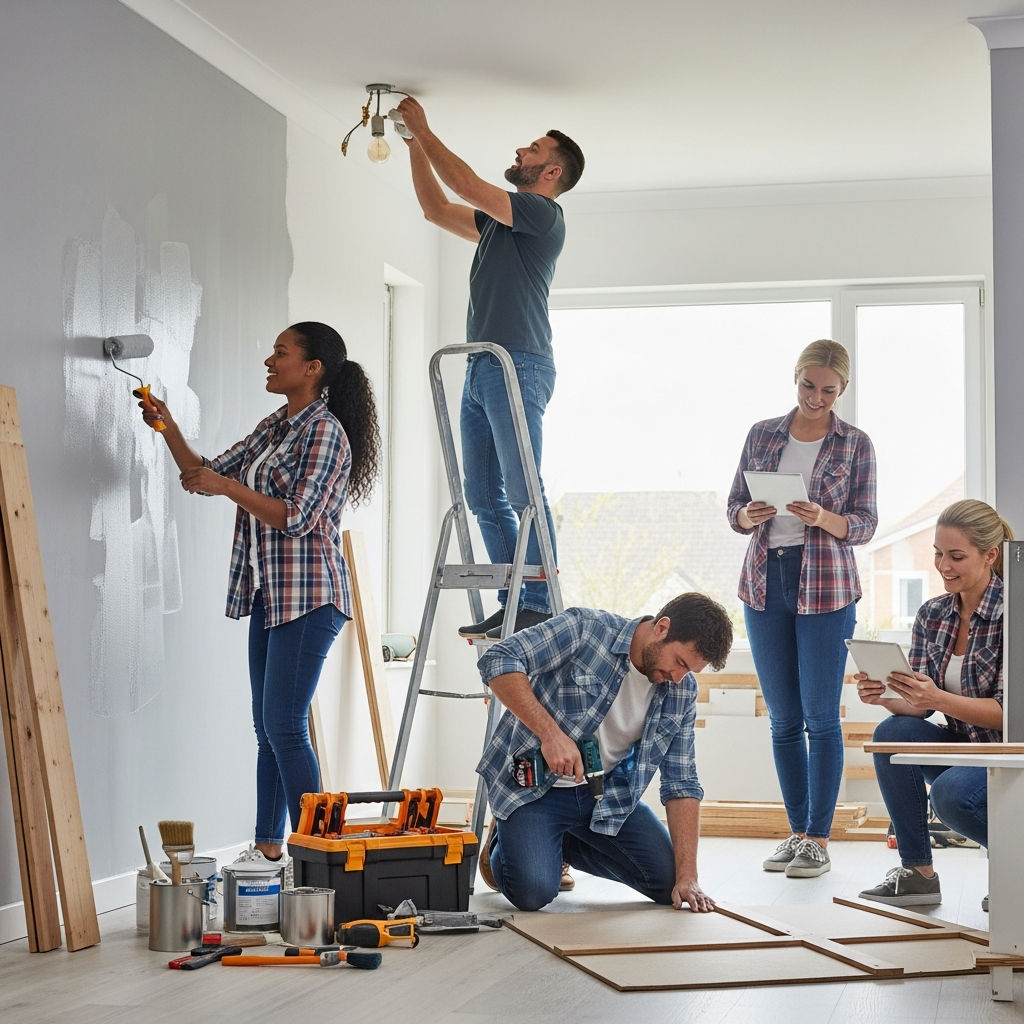
Is Home Improvement Still Relevant? 13 Facts Every Homeowner Should Know
In the wake of a fluctuating economy, rising interest rates, and a shifting real estate market, many homeowners are asking a critical question: Is home improvement still relevant? A few years ago, the answer was a resounding yes, driven by a global pandemic that forced us to rethink our living spaces. Today, the landscape is more complex, but the data suggests that home improvement is not just relevant—it is evolving into a vital strategy for financial stability and personal well-being.
Whether you are looking to sell in the near future or plan to stay in your “forever home,” understanding the current state of the industry is essential. Here are 13 facts that prove home improvement remains a cornerstone of modern homeownership.
1. The “Stay Put” Economy is Driving Renovation
With mortgage rates significantly higher than the historic lows of 2020-2021, many homeowners are choosing to stay in their current properties rather than trade up. This “lock-in effect” means that instead of buying a new house with the features they want, homeowners are investing in renovations to make their current space meet their needs. When you can’t move, you improve.
2. Kitchen and Bathroom Remodels Still Offer the Best ROI
If you are worried about the relevance of home improvement regarding resale value, the kitchen and bathroom remain the gold standards. Real estate experts consistently find that minor-to-midrange kitchen remodels can recoup between 60% and 80% of their cost. These spaces are the functional heart of the home, and buyers continue to prioritize modern fixtures and efficient layouts above almost everything else.
3. Energy Efficiency is the New Luxury
Sustainability is no longer just a buzzword; it is a financial necessity. With rising utility costs, home improvements focused on energy efficiency—such as installing heat pumps, upgrading insulation, or switching to LED lighting—are incredibly relevant. These upgrades provide an immediate return through lower monthly bills and appeal to the growing demographic of eco-conscious buyers.
4. The Rise of the “Zoom Room” and Permanent Home Offices
Remote and hybrid work models have shifted from temporary fixes to permanent lifestyle choices. A dedicated, professional-looking home office is now a top requirement for many homebuyers. Converting an attic, a spare bedroom, or even a large closet into a functional workspace is a home improvement project that has retained 100% of its relevance in the post-pandemic era.
5. Curb Appeal Dictates First Impressions (and Price Tags)
First impressions happen in seconds. Facts show that homes with high curb appeal—think fresh paint, well-maintained landscaping, and a modern front door—sell for an average of 7% more than similar homes with uninviting exteriors. Simple outdoor improvements remain one of the most cost-effective ways to boost property value instantly.
6. Aging-in-Place is a Growing Necessity
The “Silver Tsunami” refers to the aging Baby Boomer generation. As this demographic chooses to stay in their homes longer, renovations focused on accessibility (wider doorways, walk-in tubs, and grab bars) are becoming increasingly relevant. These modifications allow for independence and safety, making them high-value improvements for a massive segment of the population.
7. Outdoor Living Spaces are Extensions of the Home
The distinction between “indoors” and “outdoors” is blurring. Homeowners are increasingly investing in decks, patios, and outdoor kitchens. These projects are relevant because they effectively increase the usable square footage of a property without the massive cost of a structural addition. High-quality outdoor spaces are a major selling point in almost every climate.
8. Smart Home Integration is Expected, Not Optional
Modern home improvement isn’t just about wood and nails; it’s about software and connectivity. Integrating smart thermostats, security cameras, and automated lighting systems is a relevant way to modernize an older home. Today’s buyers expect a level of “tech-readiness” that was considered futuristic only a decade ago.
9. Federal Tax Incentives are Lowering Improvement Costs
The relevance of home improvement is currently bolstered by government policy. Legislation like the Inflation Reduction Act provides significant tax credits and rebates for homeowners who make “green” improvements. From solar panels to high-efficiency windows, the government is essentially subsidizing the modernization of the nation’s housing stock, making it a financially savvy time to renovate.
10. Maintenance Prevents “Value Decay”
Home improvement isn’t always about glamorous aesthetics; it’s about preservation. Replacing a 20-year-old roof or updating an aging HVAC system is highly relevant because it prevents value decay. A home that is not maintained loses value faster than the market can appreciate, making consistent “boring” improvements essential for wealth protection.
11. Biophilic Design and Mental Health
Post-2020, there has been a documented shift toward home improvements that support mental health. This includes biophilic design—bringing the outdoors in through larger windows, indoor gardens, and natural materials. Renovations that maximize natural light and air quality are relevant because they directly impact the inhabitant’s quality of life and stress levels.
12. The Multi-Generational Living Trend
Economic pressures and the cost of childcare have led to a rise in multi-generational households. Home improvements that create “accessory dwelling units” (ADUs) or finished basements with kitchenettes are becoming incredibly relevant. These projects provide privacy for extended family members while significantly increasing the property’s potential rental income or resale value.
13. DIY Culture is Empowering Homeowners
With the wealth of information available via YouTube, TikTok, and specialized blogs, the barrier to entry for home improvement has never been lower. Homeowners are finding that they can tackle significant cosmetic projects themselves, saving on labor costs while building sweat equity. This accessibility keeps home improvement relevant even for those on a tight budget.
Is Home Improvement a Good Investment Right Now?
While the cost of materials has increased due to inflation, the long-term benefits of home improvement remain stable. The key to success in the current market is strategic improvement. Rather than focusing on highly personalized or niche upgrades, the most relevant projects are those that solve universal problems: space, energy efficiency, and functionality.
The Impact of Home Improvement on Local Communities
Beyond the individual homeowner, home improvement remains relevant because it stabilizes neighborhoods. When one homeowner invests in their property, it often triggers a “ripple effect” where neighbors also begin to upgrade their homes. This collective investment maintains property values for the entire community and prevents urban blight.
Conclusion: The Verdict on Relevance
Is home improvement still relevant? The facts speak for themselves. In a world where our homes have become our offices, our gyms, and our sanctuaries, the way we maintain and upgrade these spaces is more important than ever. Home improvement is no longer just about “flipping for a profit”; it is about creating a resilient, efficient, and comfortable environment that can withstand economic shifts.
Whether you are motivated by the financial ROI, the desire for a more sustainable lifestyle, or the need for a better workspace, investing in your home remains one of the smartest decisions you can make. As long as we live in houses, the drive to improve them will never go out of style.
- Focus on ROI: Prioritize kitchens and baths.
- Think Green: Look for energy-saving tax credits.
- Adapt to Work: Create dedicated, quiet workspaces.
- Don’t Ignore Maintenance: Protect your investment from the ground up.